Active citizenship begins at school. SchooLink showed how to involve pupils in decision-making
SchooLink 2026 brought together teachers from across Europe. It showed how to give pupils a voice, promote active citizenship and learn from colleagues abroad.
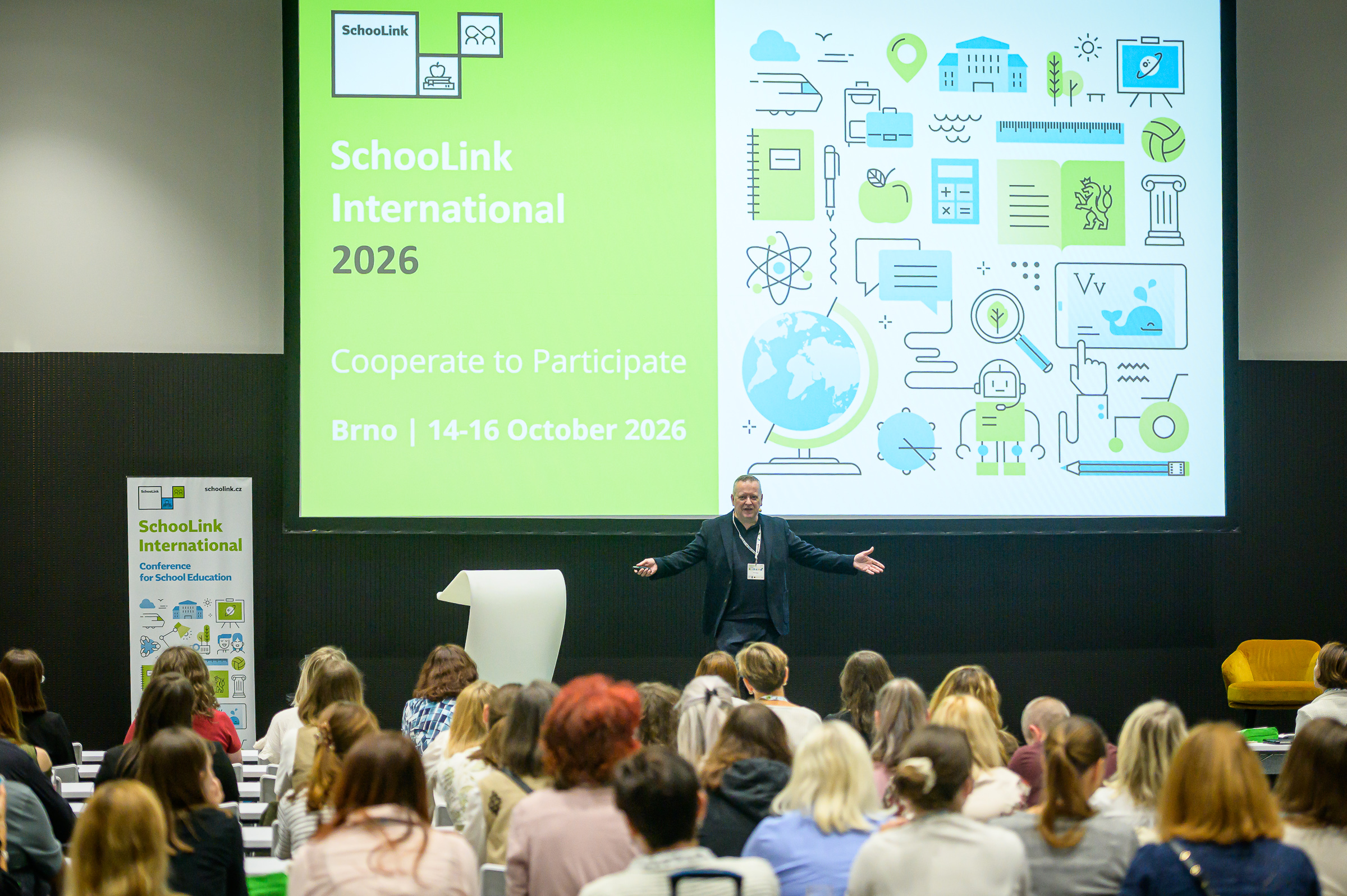
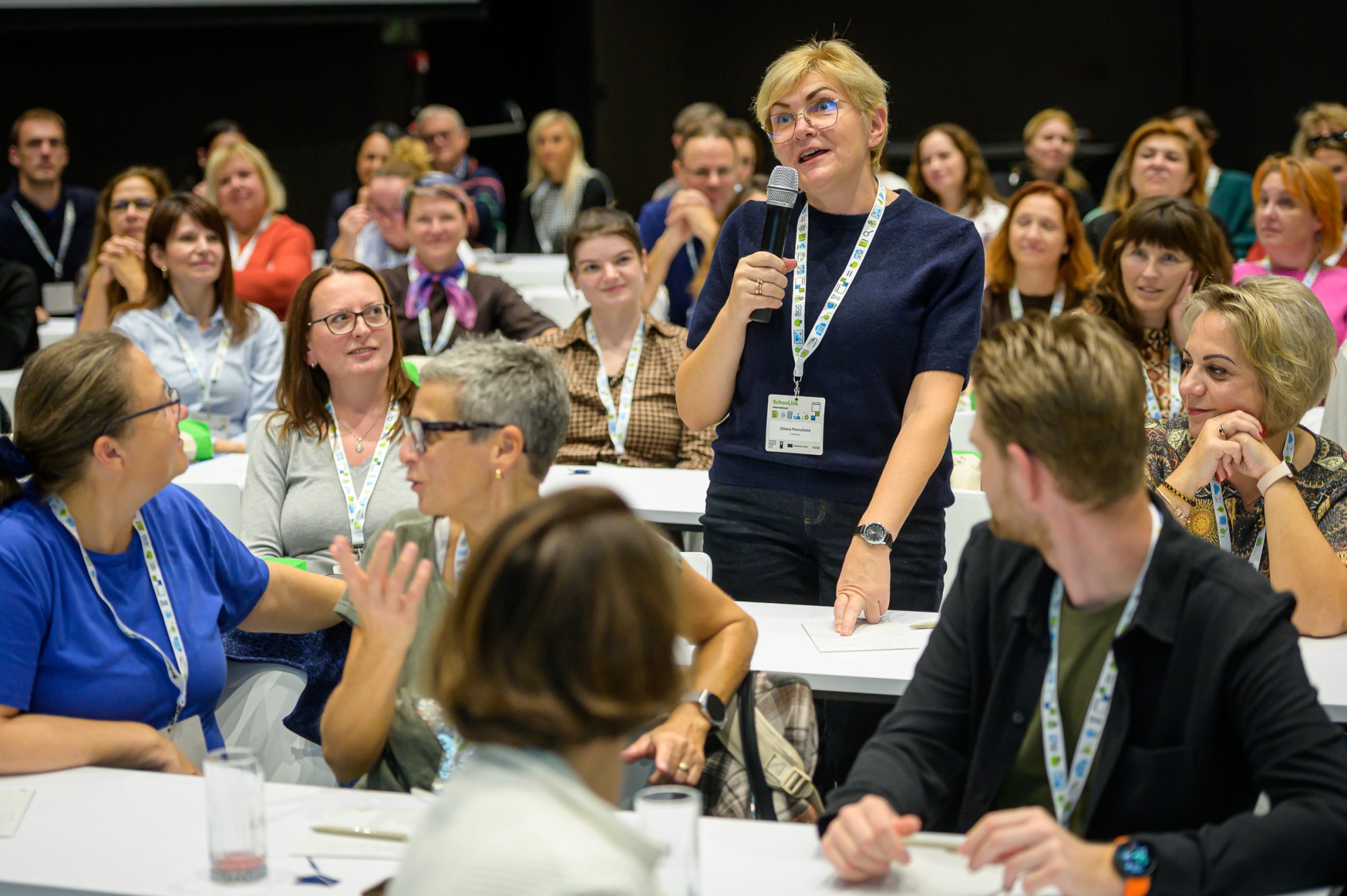
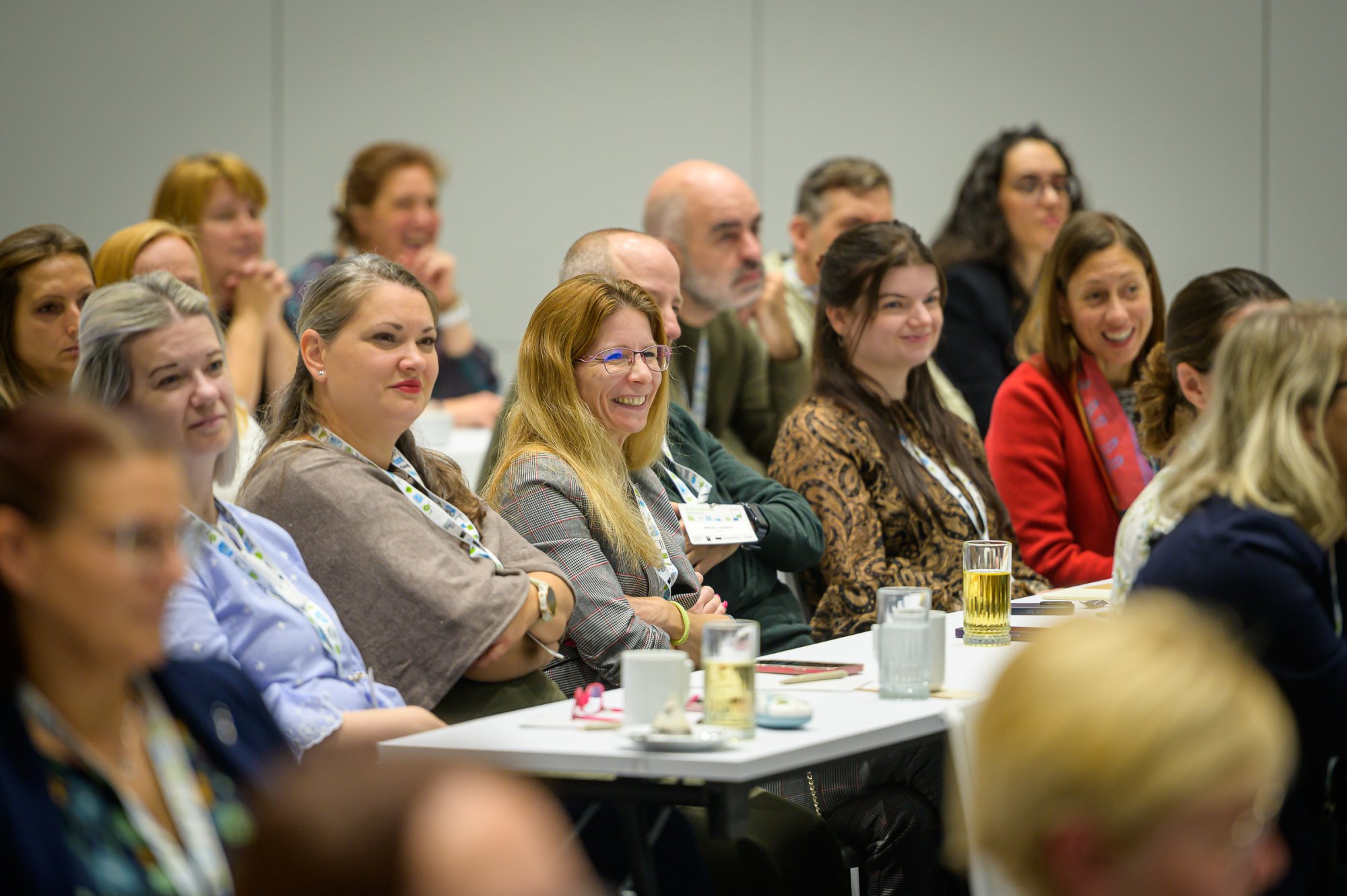
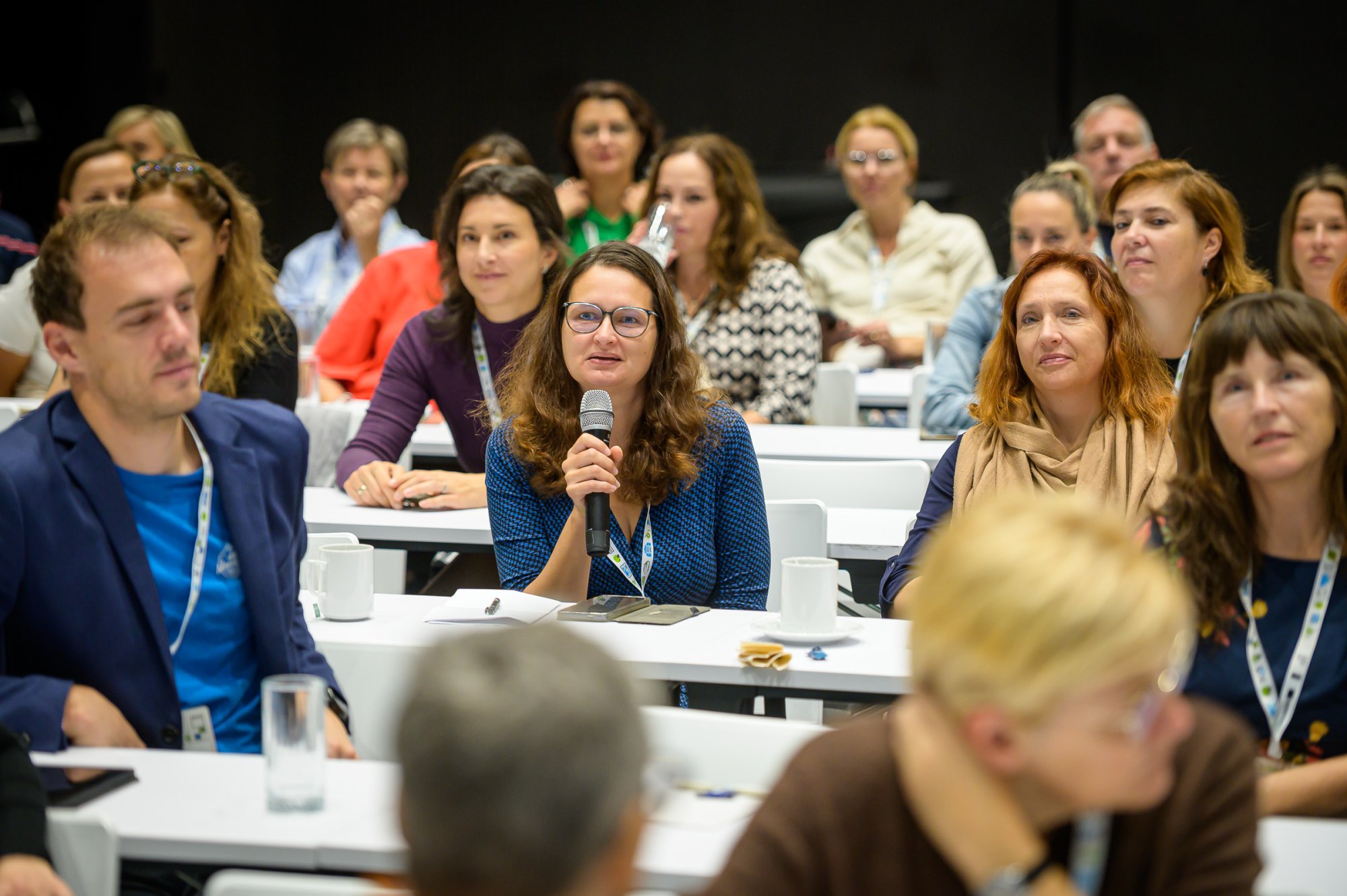
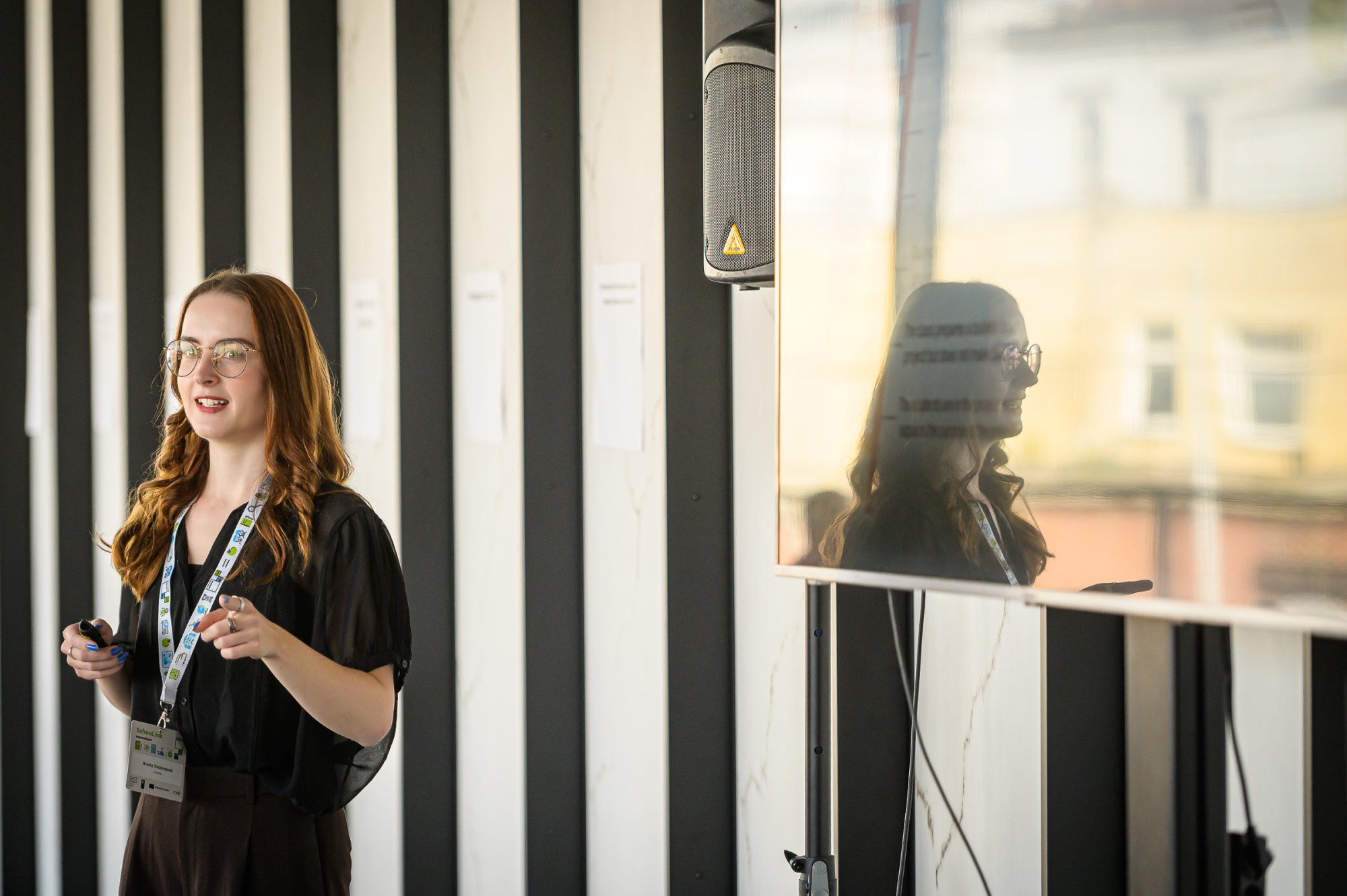
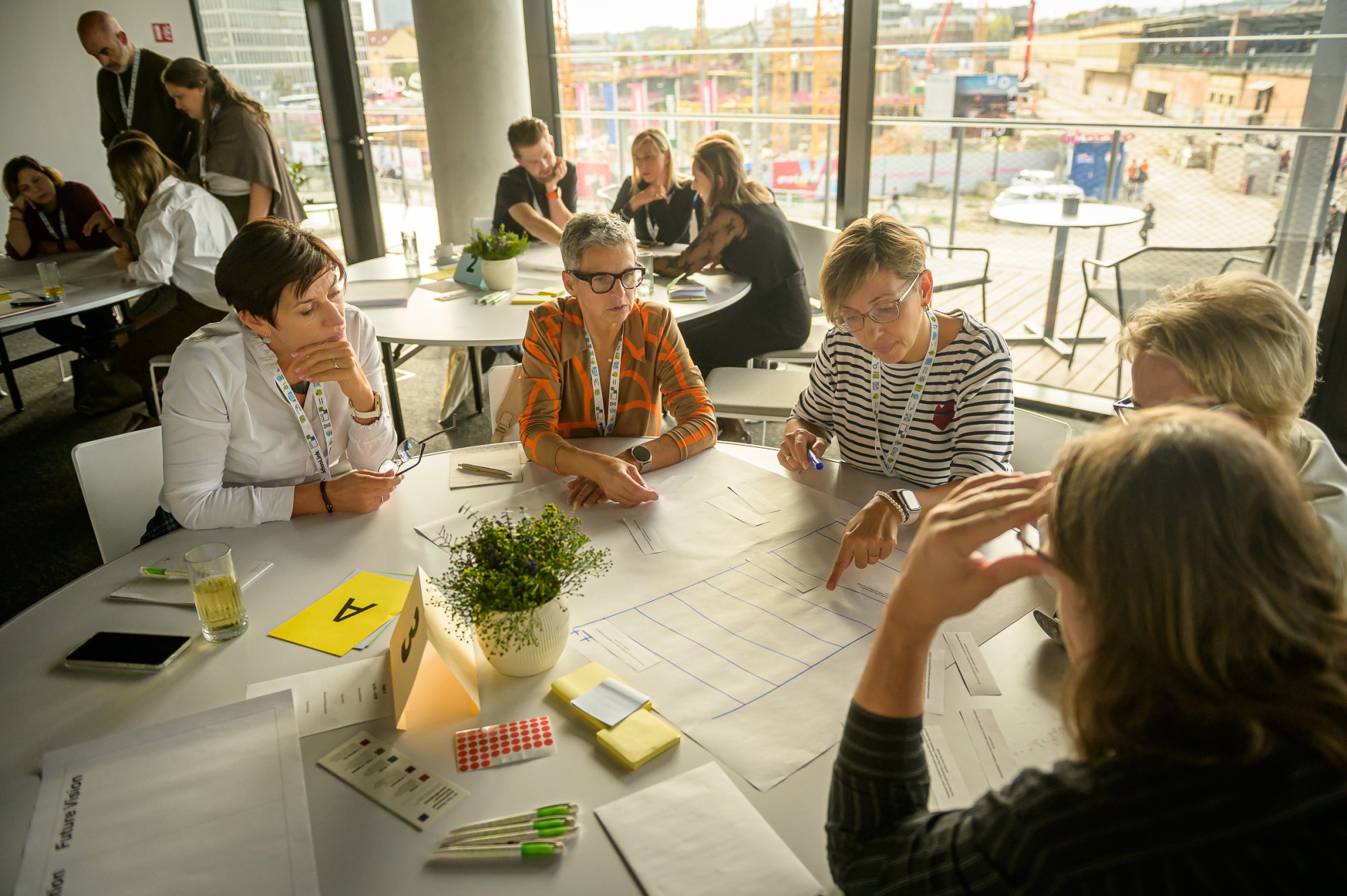
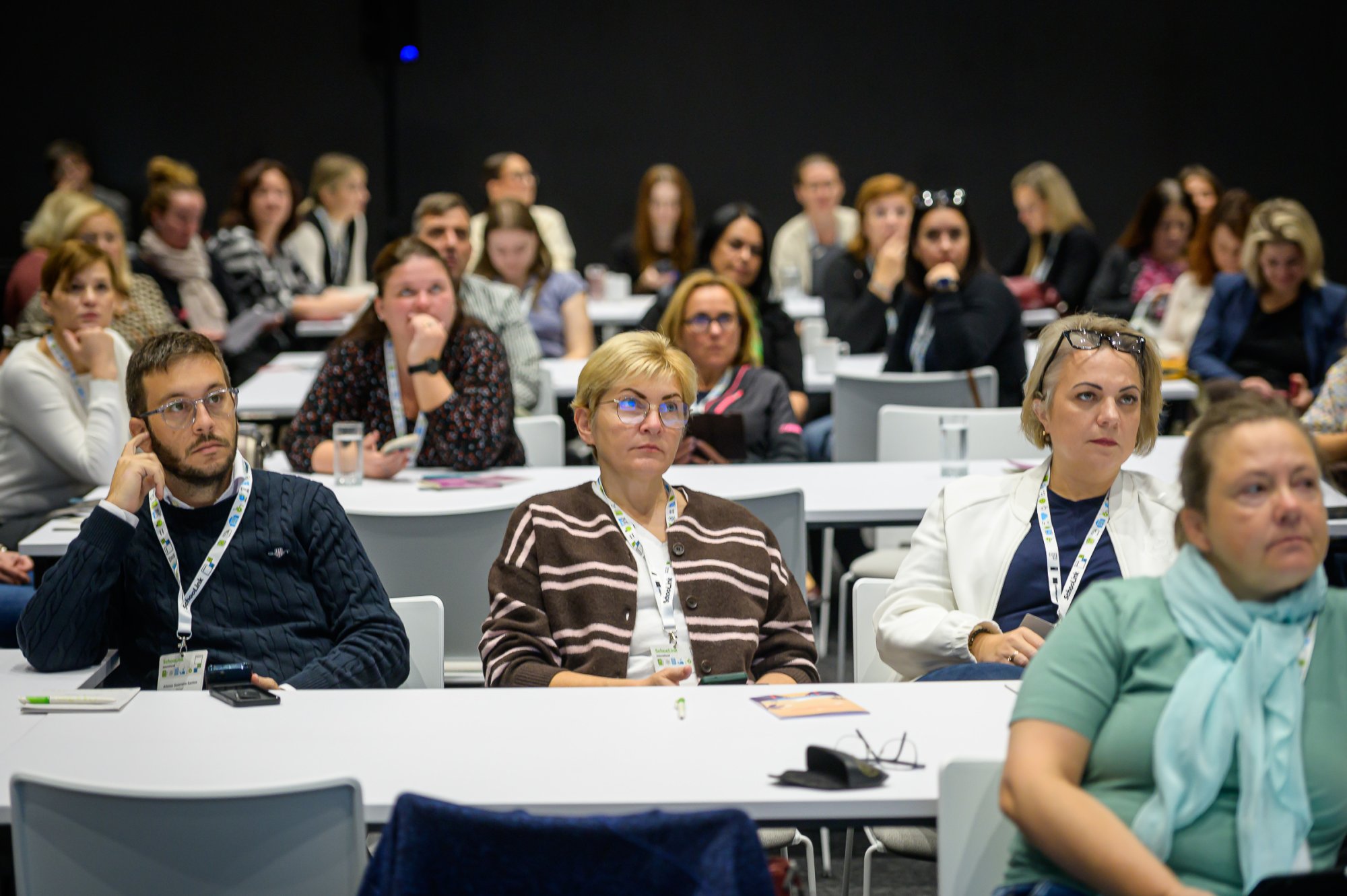
Pupils who learn first-hand that they can make a difference at their school gain a reason to get involved in the world around them too. Teachers, headteachers and Erasmus+ project coordinators explored how to offer them this experience at the SchooLink 2026 conference. The Czech National Agency for International Education and Research (DZS), a publicly funded organisation under the Ministry of Education, Youth and Sports, in cooperation with the Slovak National Agency SAAIC, provided a space for nearly 100 participants from across Europe to share experiences and find project partners in Brno on 14–16 October. This year's seventh edition thus became the first truly international one.
Pupil voice and the courage to make mistakes
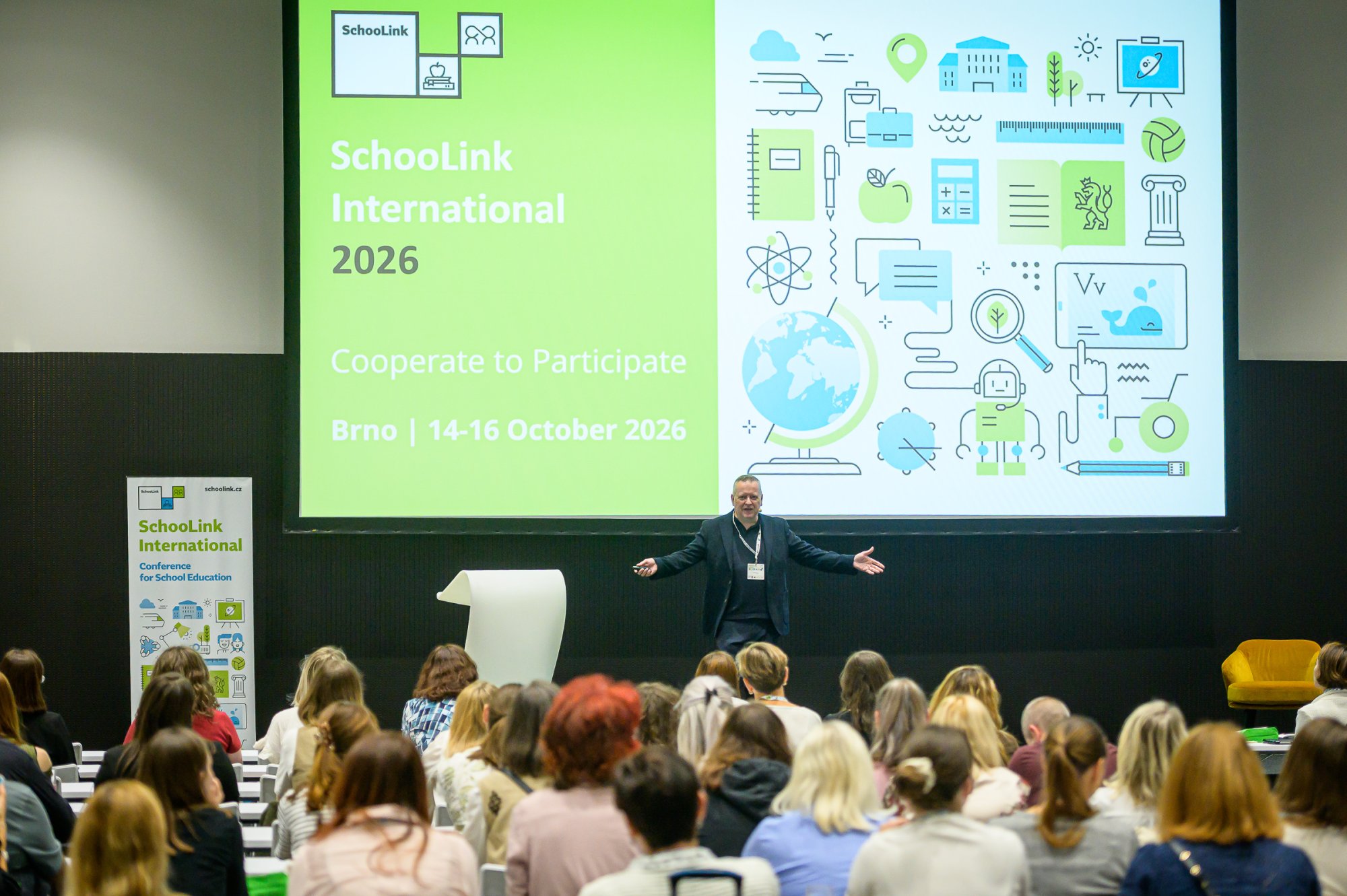
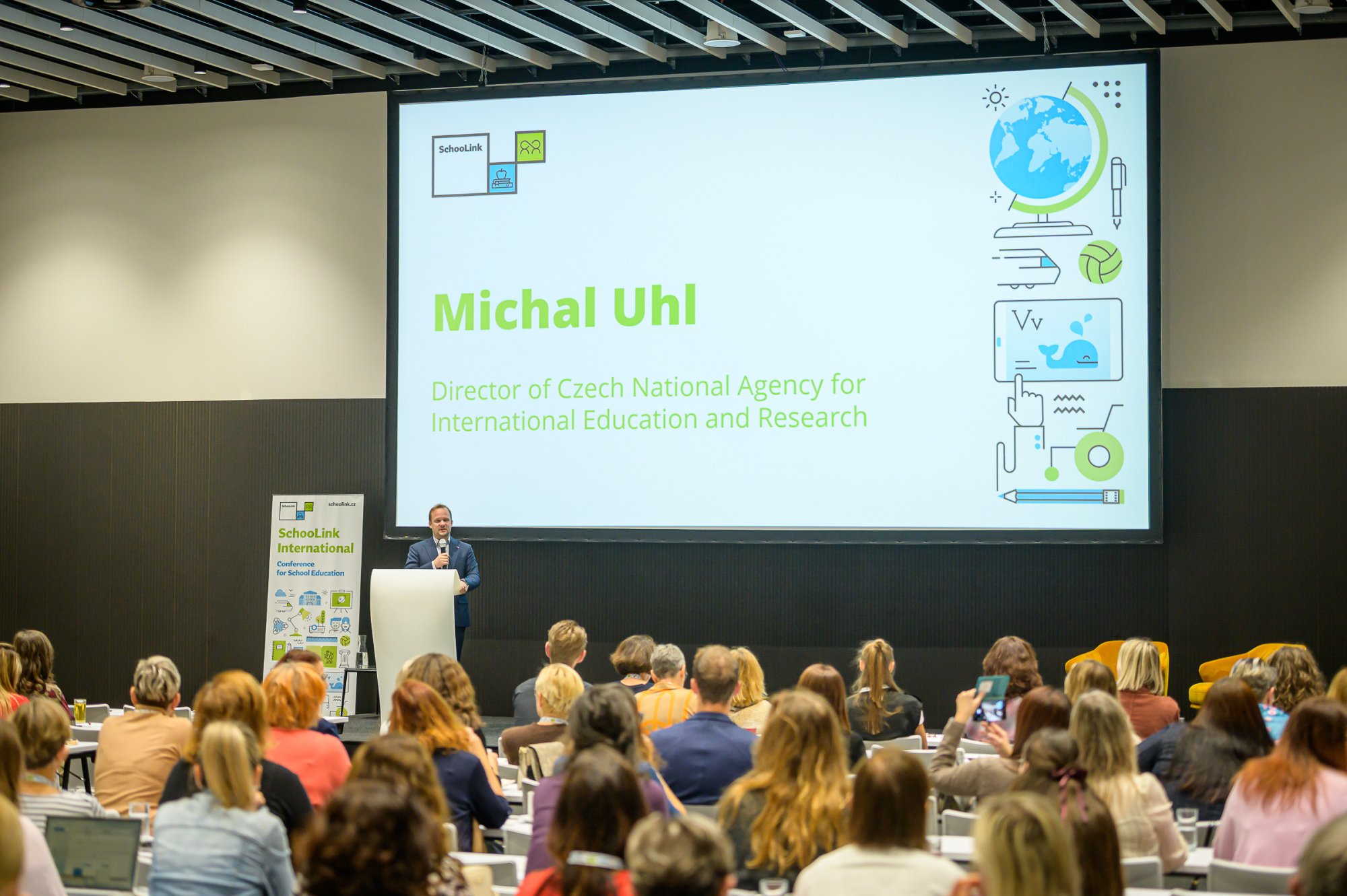
The theme Cooperate to Participate placed pupils at the centre as co-creators of school life and projects. Participation in democratic life is one of the four priorities of the Erasmus+ programme. Experience of decision-making and taking responsibility helps young people become active citizens. In his opening address, DZS Director Michal Uhl noted that school can be the first place where they gain this experience, provided adults listen to them and give them room to make a difference. In the age of AI and disinformation, they also need to think critically, check facts and engage in discussion. Schools thus help strengthen democratic resilience, and Erasmus+ supports them in this by teaching pupils to make decisions together and understand other perspectives.
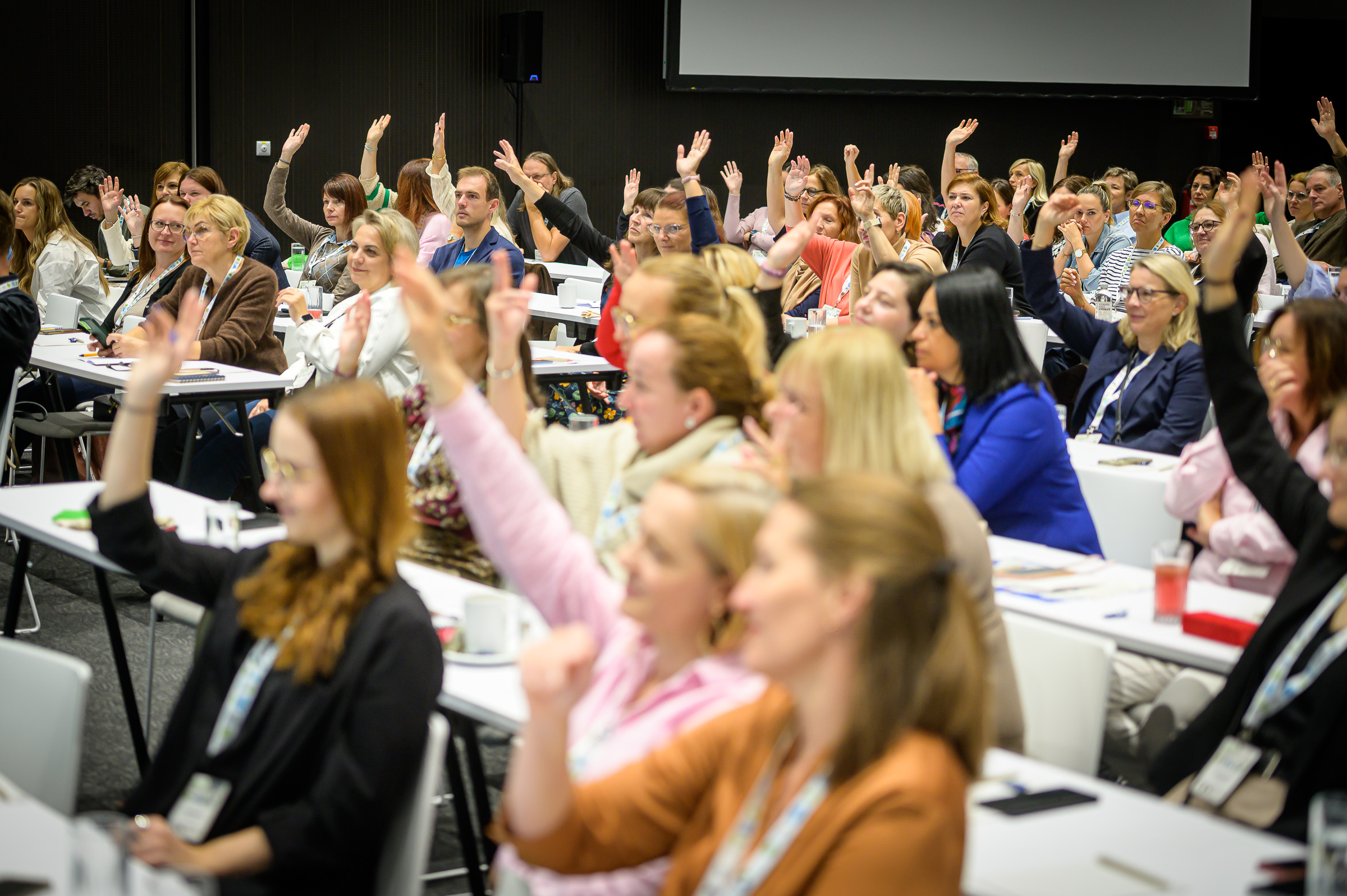
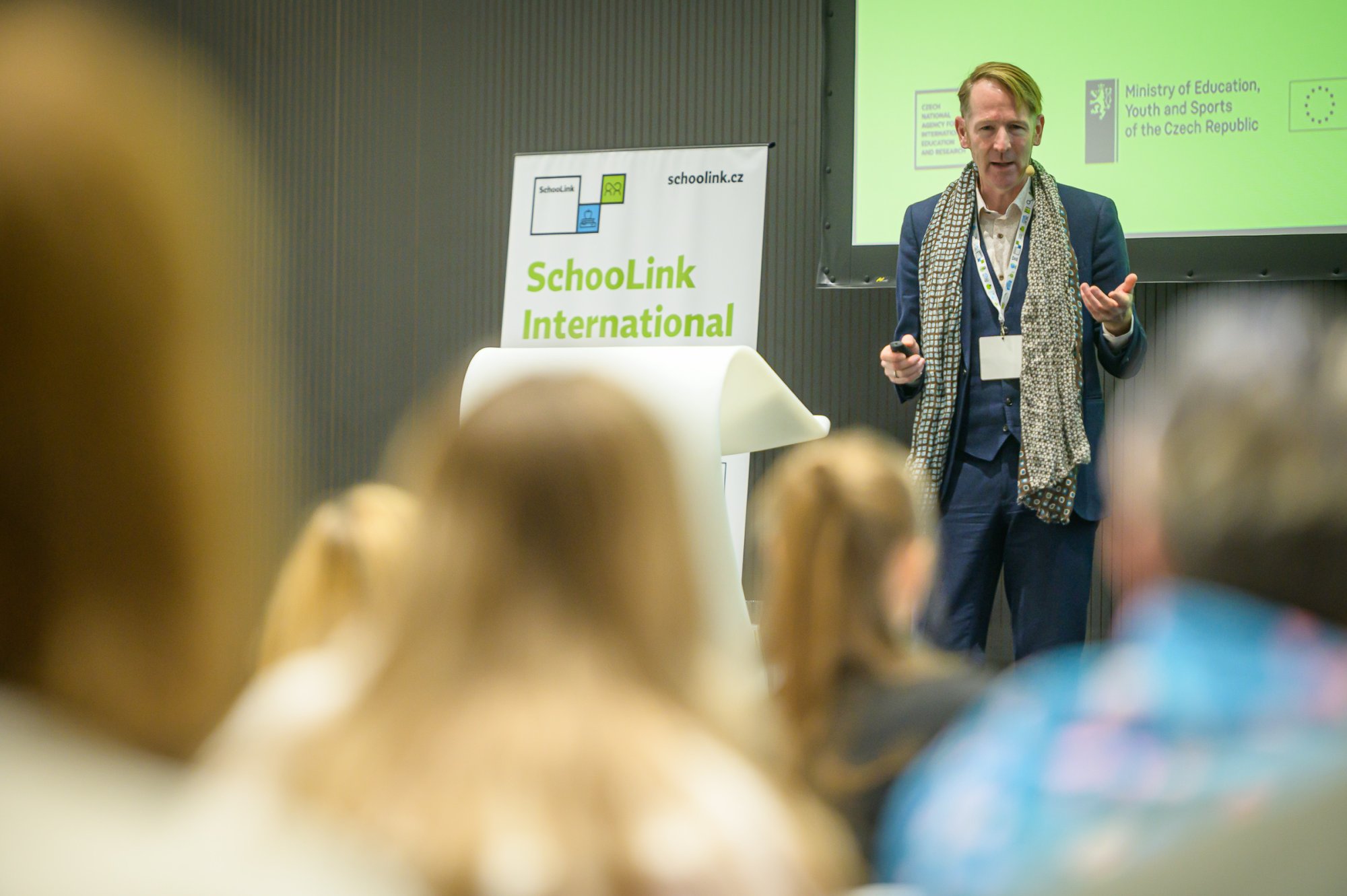
Not raising a hand does not necessarily mean a lack of interest. Paul Wade, Country Director of the British Council in Czechia and an educator who has lived in Czechia for 20 years, used humour and examples from the classroom to show how anxiety, peer pressure and fear of an imperfect answer can hold back participation. “Getting it wrong is not a problem. Getting it wrong is a route to learning,” he reminded the audience. He recommended giving children time to discuss a question in pairs, asking about their approach rather than just the correct answer, and valuing a willingness to participate even if they get the answer wrong.
It was precisely the link between perfectionism and anxiety that struck Veronika Benešová, deputy headteacher and Erasmus+ coordinator at the grammar school and business academy in Hodonín. “That Czech striving for perfection really does go hand in hand with our fear of making mistakes,” she says of the approach in Czech schools. Her experiences of international projects have repeatedly confirmed that Czech schools can prove themselves to be reliable partners and have something to offer others.
Learning from colleagues across Europe
Teachers need to continue developing, too, if they are to help their pupils progress. Job shadowing, which involves observing colleagues at a school abroad, therefore also resonated at the conference. Learning from one another works both ways, as Vlasta Petříková from the Brno consortium of schools confirms. The consortium is developing cooperation and reciprocal job shadowing with partners from Kristiansund in Norway. “We realised that we have something to offer them. And of course, they have something to offer us too,” she says. According to her, the Norwegian partners find inspiration, for example, in how kindergartens in Brno creatively make use of even small gardens.
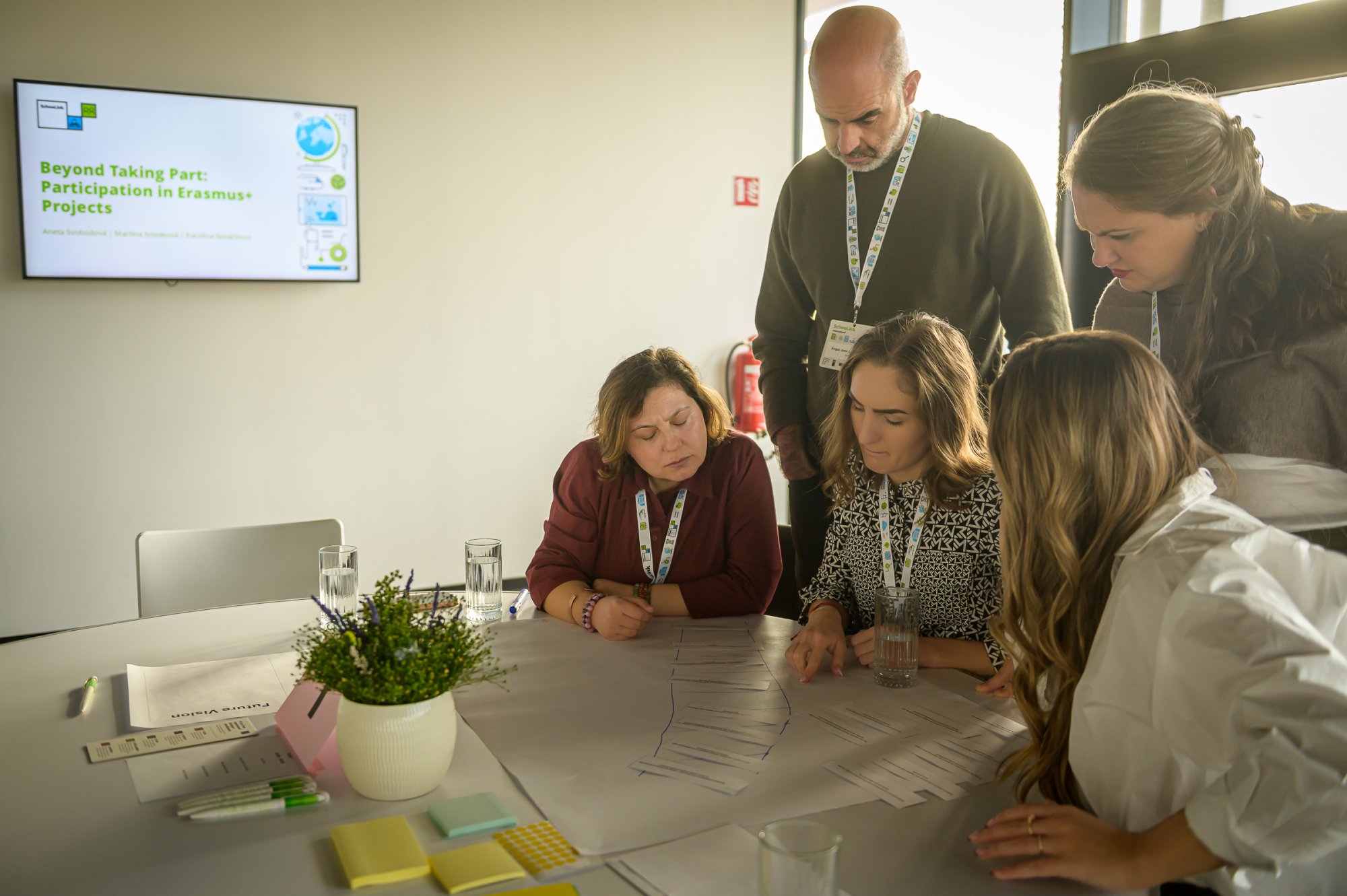
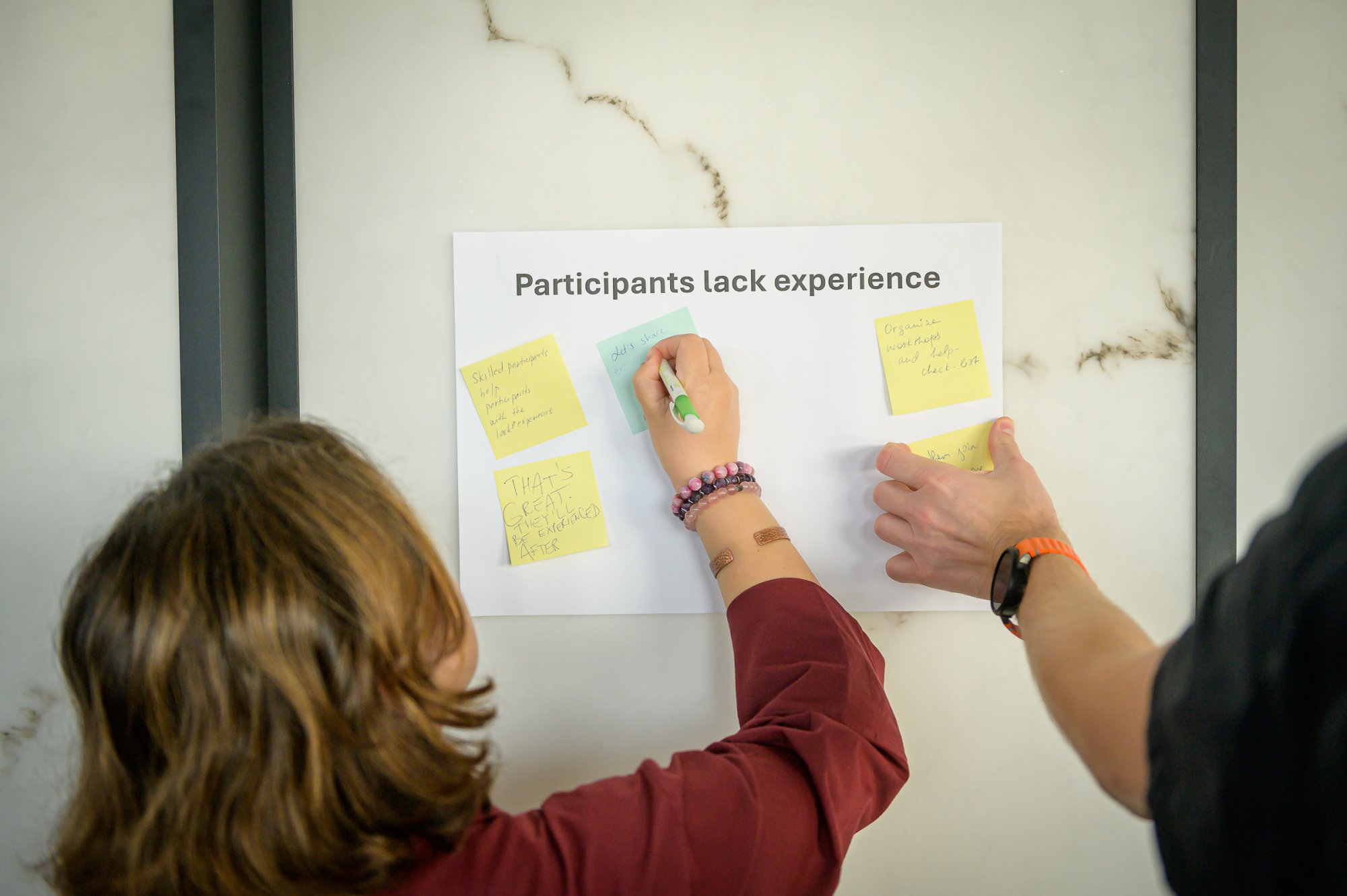
The workshops also translated participation into concrete steps. They covered how school parliaments operate, planning mobility activities together with children, and visits to EU institutions with clear learning objectives. As Josef Marada from CEDU pointed out, even a pupil-led event that does not go to plan can provide an opportunity to learn about responsibility. What matters is having the space to try out one's own ideas and reflect together on what to do differently next time.
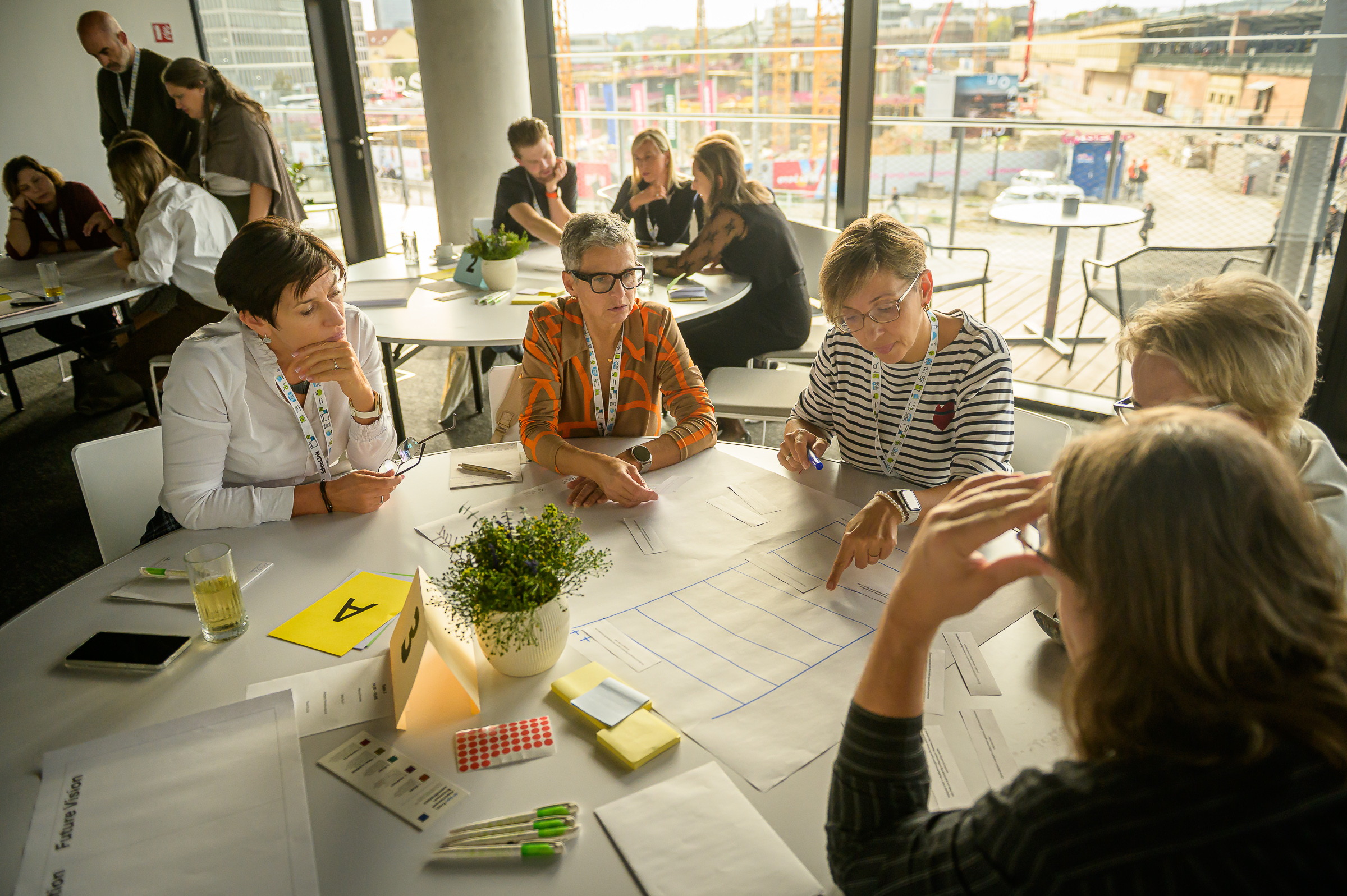
The international mix of participants gave the workshops an added dimension: participants could compare approaches from across Europe and look for colleagues for joint projects there and then. Face-to-face meetings can also be followed up through eTwinning, which enables schools to find partners and develop collaboration online.
Critical thinking and opportunities for everyone
Cooperation projects provided practical classroom tools. In the Trollpedia project, pupils and teachers from Nový Jičín Grammar School, working with partners from Norway and Estonia, created an online encyclopaedia of disinformation tactics. In the process, they learned to recognise manipulative techniques and recurring patterns. “Once pupils acquire this skill, they will become much more critical and won't be so easily fooled,” says Petr Zapletal from Nový Jičín Grammar School.
For children to participate, they also need a safe environment. This is highlighted by the SUSTACE project, led by the organisation Transparent with partners from Austria and Italy. It offers educators an online course on supporting children with adverse childhood experiences. “When a child feels safe and understood, they have more room to learn and develop,” explains Pavla Doležalová from Transparent.
International guests contributed their own perspectives. “Participation means involving pupils in the real world beyond the classroom,” explains Dominik Sándor, a teacher from Sweden. At his school, he also links it to activities that have value for the local community. Danish Erasmus+ coordinator Ida Krumbügel emphasises the opportunity to develop one's own views even while preparing for a mobility activity: “For me, participation means empowering a person by giving them the opportunity to speak up.”
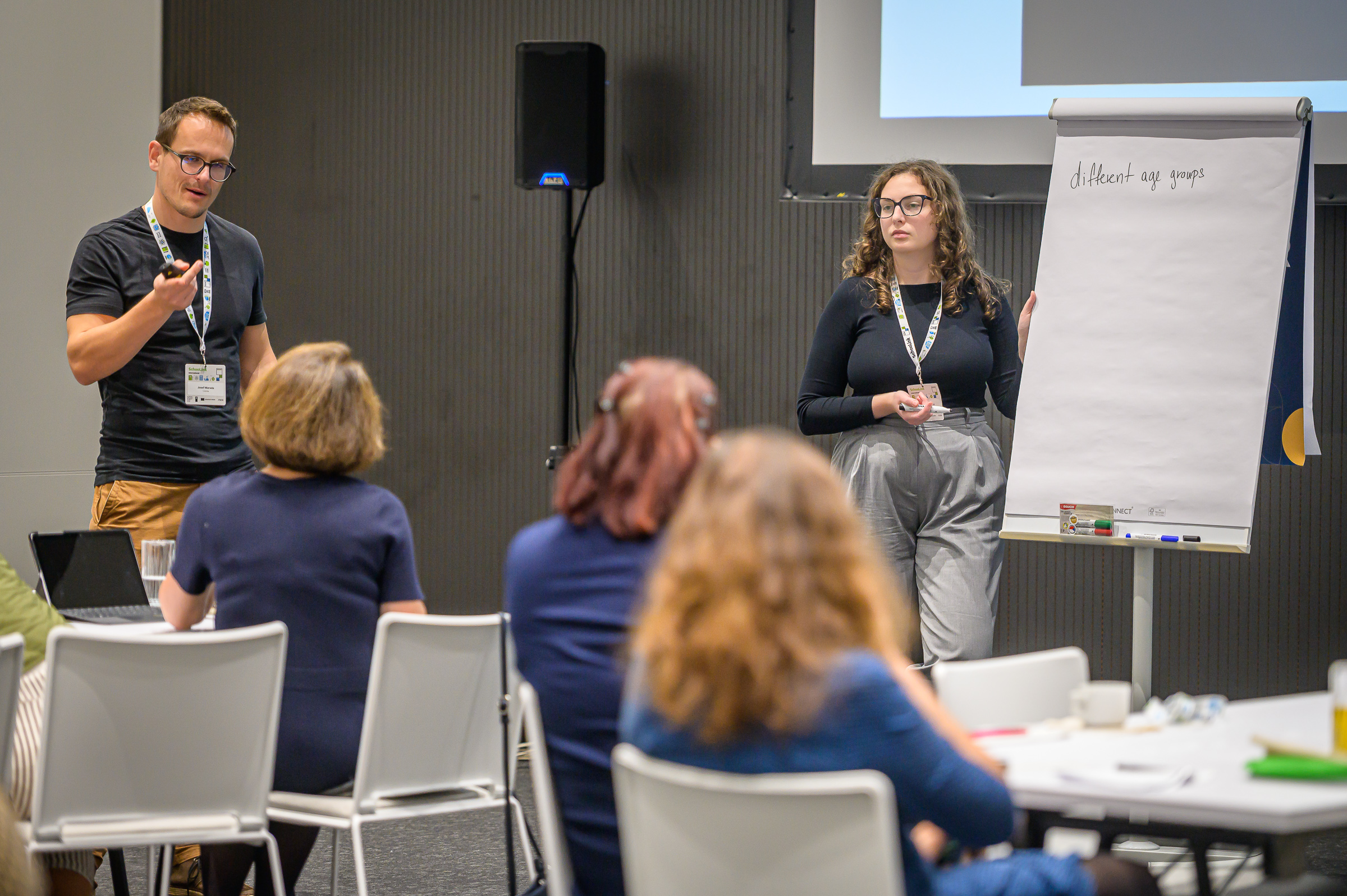
Participation also raises the question of whose voice is still missing. “Every pupil, with or without a disability, has the right to participate in the programme,” emphasised Croatian teacher Luka Femec, who teaches pupils facing various types of disadvantage. For some of his pupils, Erasmus+ meant their first flight or their first trip beyond their hometown. Inclusion therefore means opening up opportunities to take part in mobility activities and to influence matters that affect them.
The scope for such partnerships is growing: in 2025, Czechia recorded nearly 12,000 incoming mobility visits in school education, approximately 69% more than in 2023. “Platforms such as SchooLink are an important space for sharing experiences and finding further ways to support active participation,” sums up Naďa Cisárová from SAAIC.
Partnerships established in Brno can continue through joint projects and reciprocal job shadowing for teachers. These new experiences are thus brought back into classrooms, where pupils are given room to make decisions and take on responsibility. It is this experience that they can take with them into civic life.