Record-breaking EAIE, strong Czech presence: universities strengthened international partnerships in Glasgow
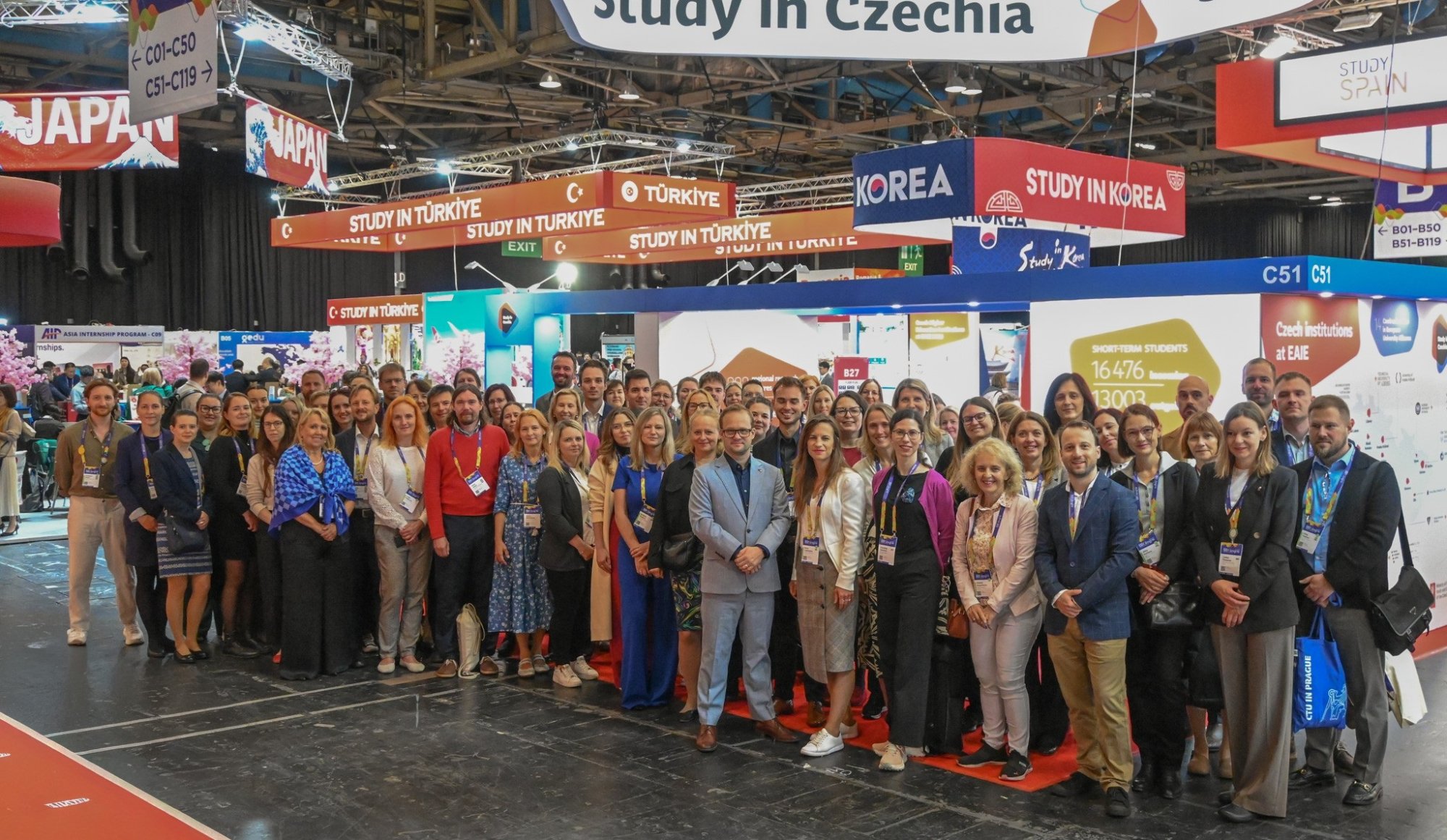
More than 7,300 participants from 107 countries and the largest exhibition to date. This year’s European Association for International Education (EAIE) Conference and Exhibition in Glasgow broke previous records. Czech participation was strong as well: the Czech National Agency for International Education and Research (DZS), a contributory organisation of the Ministry of Education, Youth and Sports, brought together 23 Czech higher education institutions and nearly 100 of their representatives under the Study in Czechia umbrella. This year’s event also showed that Czech institutions are increasingly moving beyond the sheer number of contacts towards the quality and long-term development of partnerships.
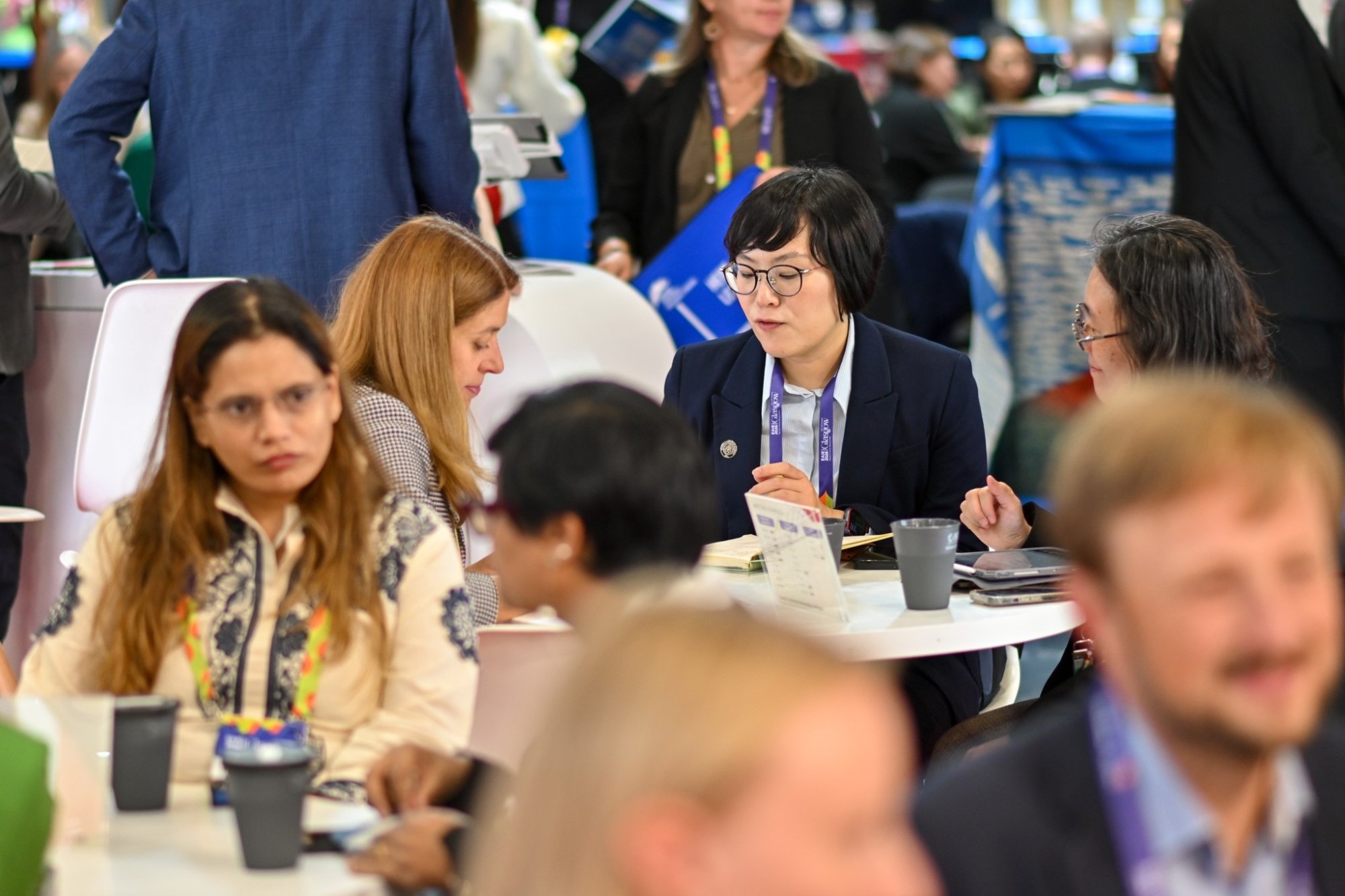
More than 7,300 international education professionals from 107 countries gathered in Glasgow from 8 to 11 September, making it the highest attendance in EAIE history. The exhibition was also the largest to date, while the conference programme featured more than 600 speakers.
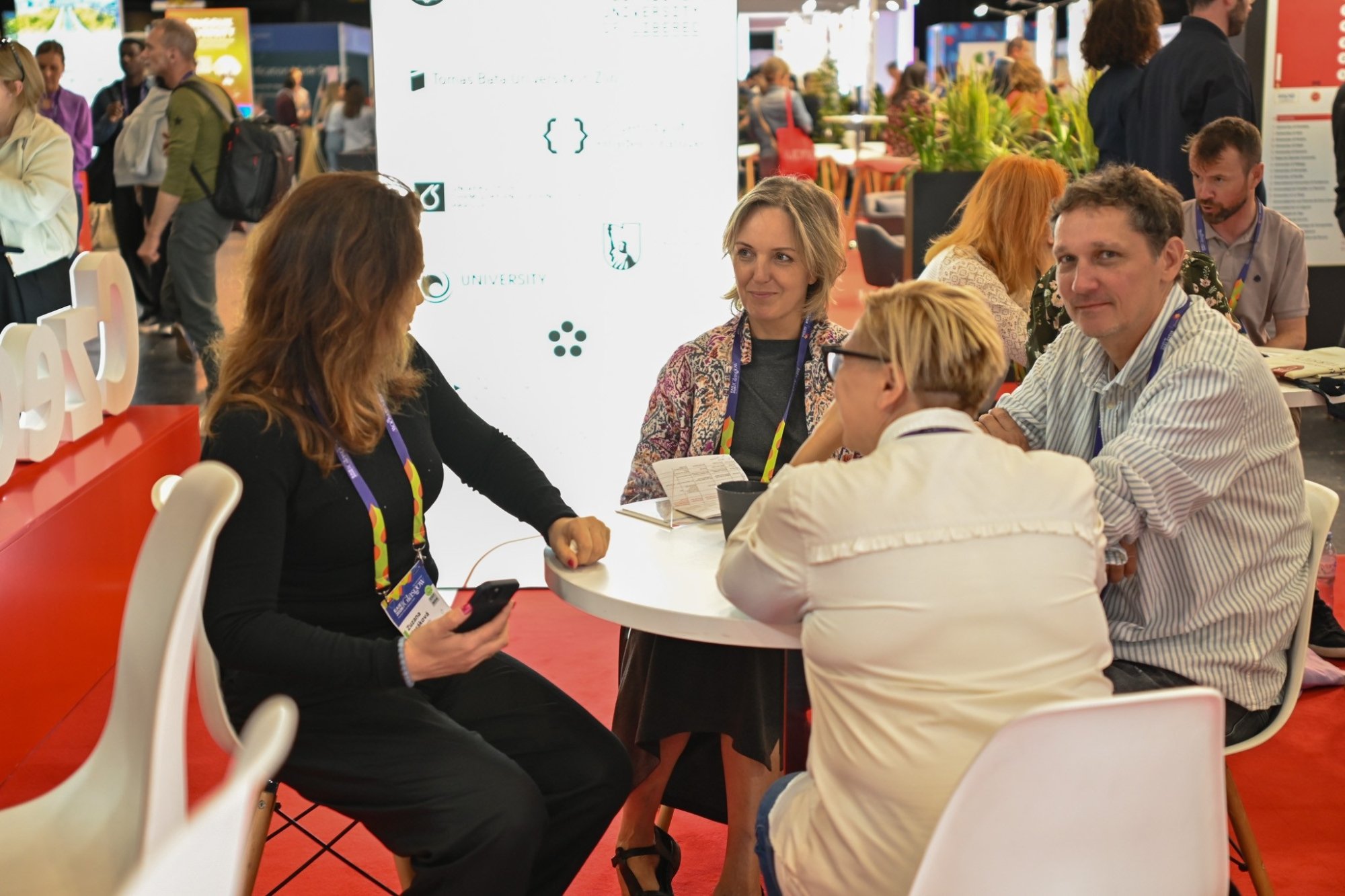
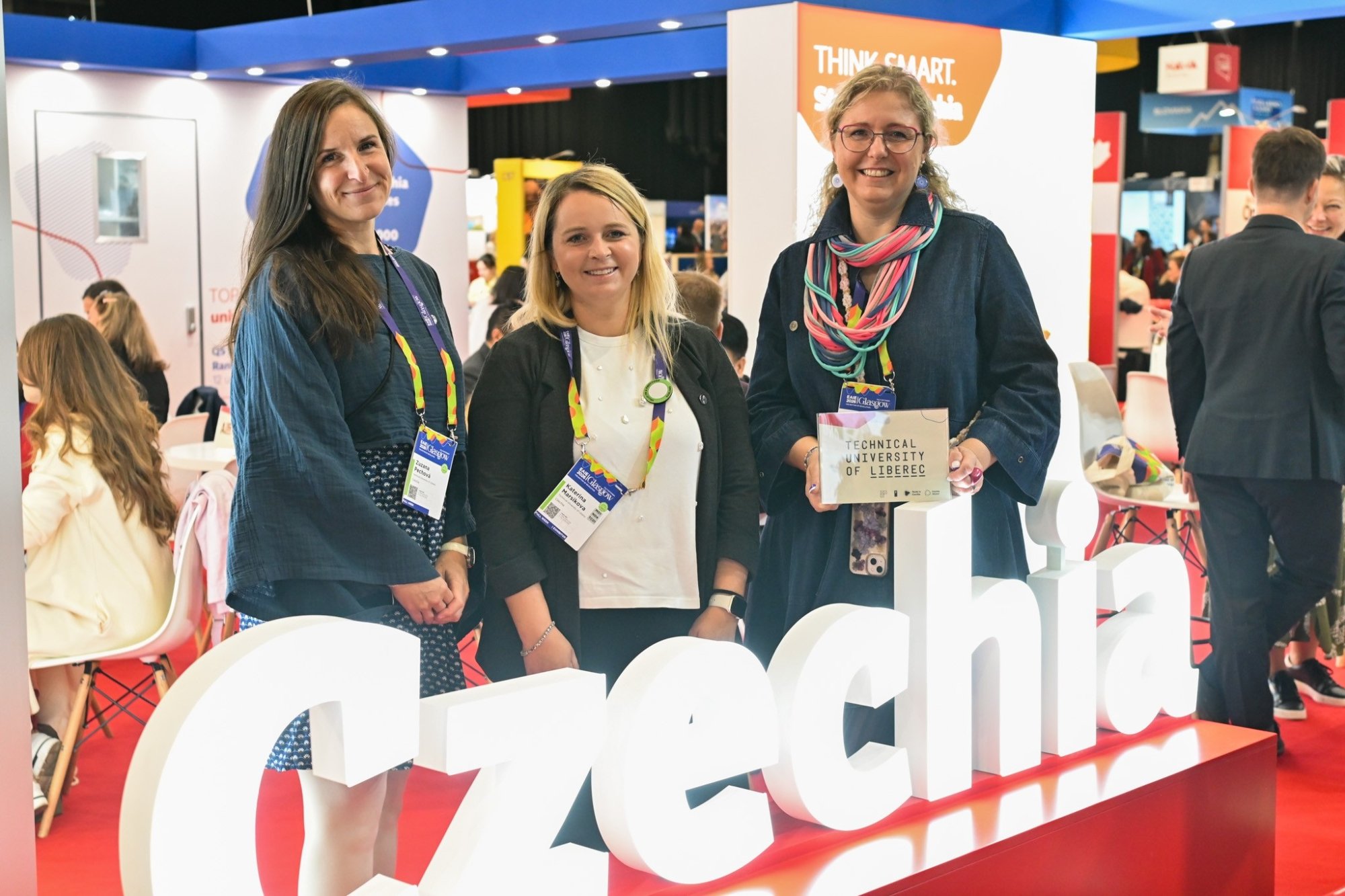
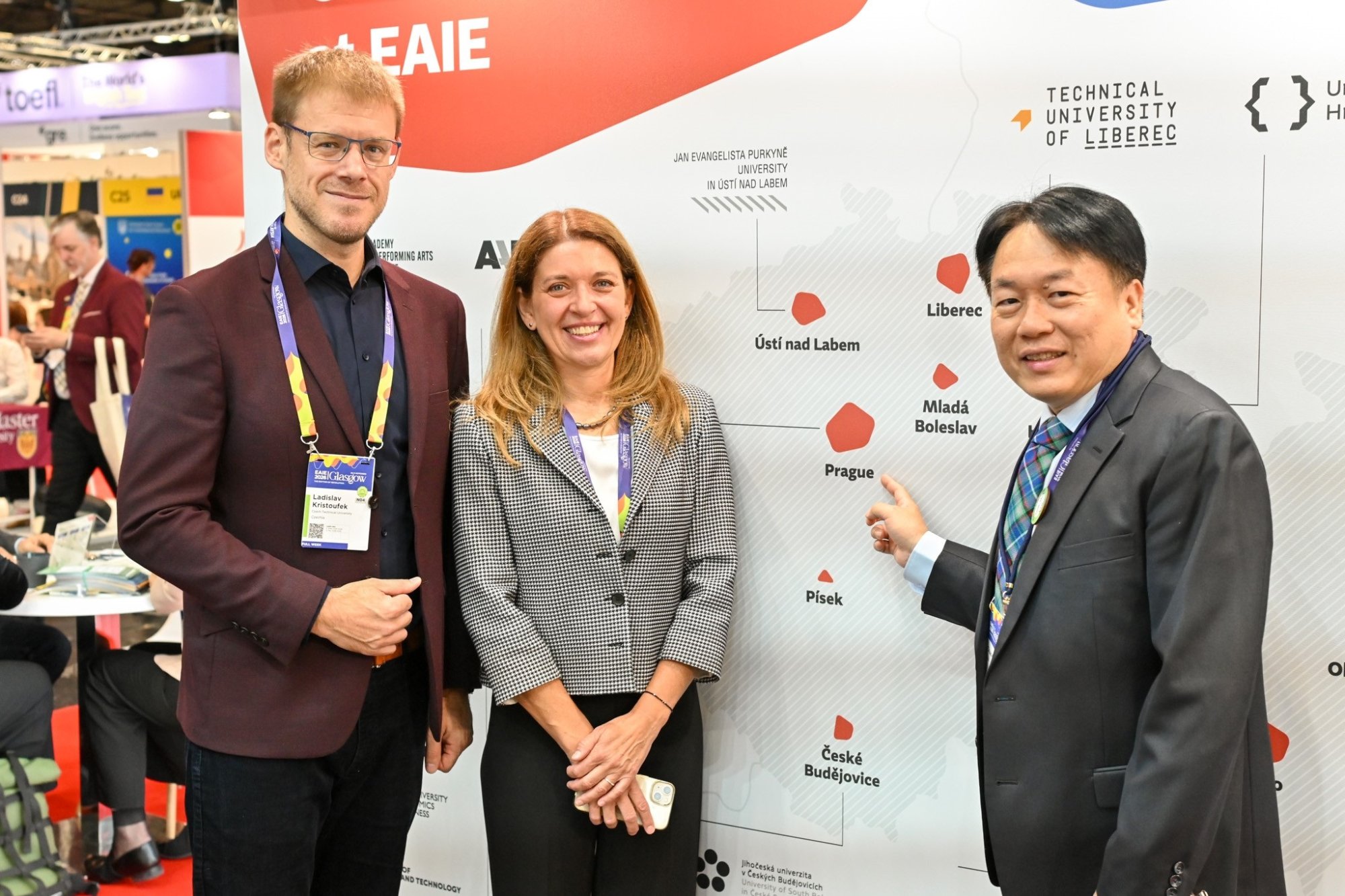
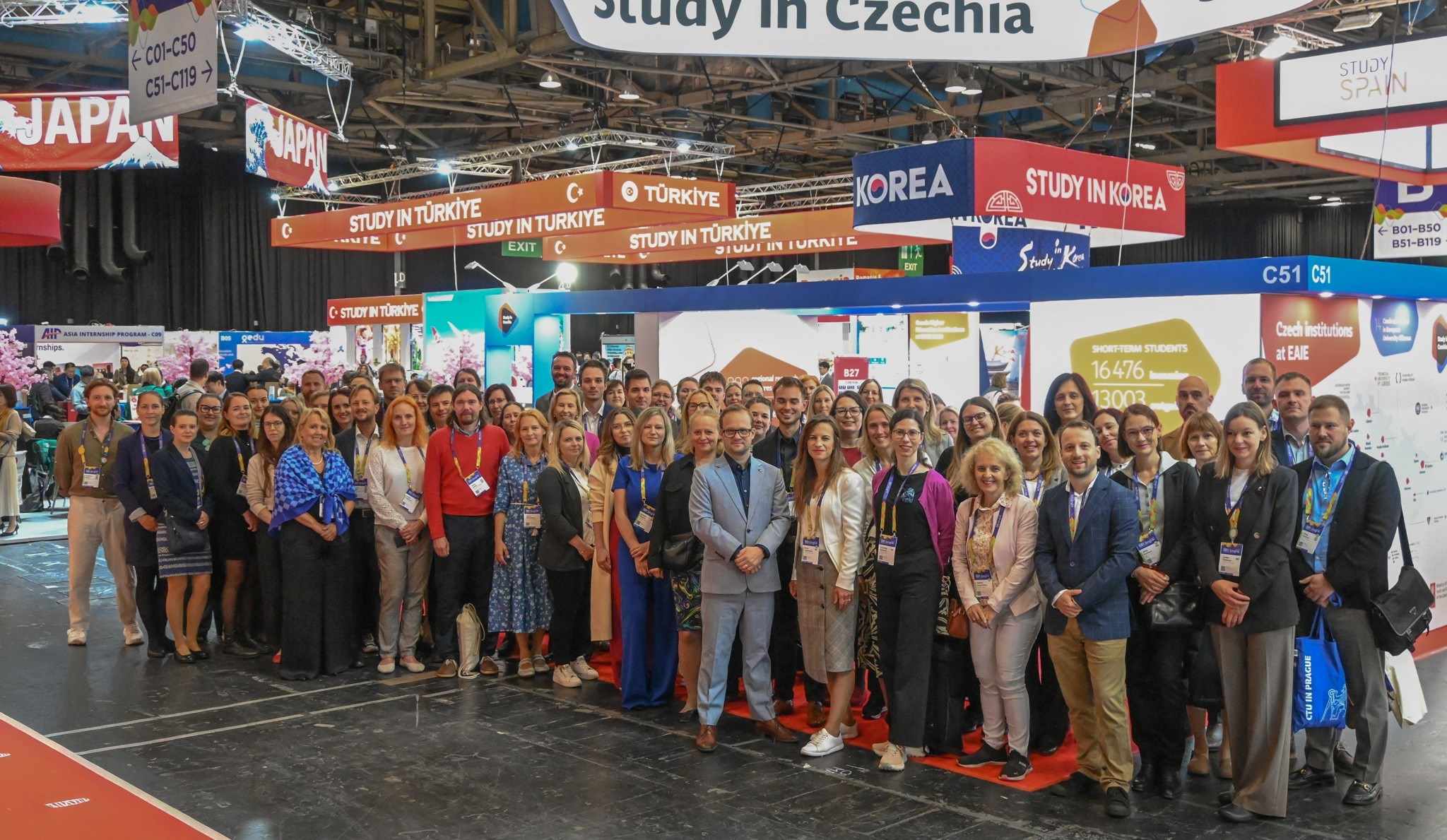
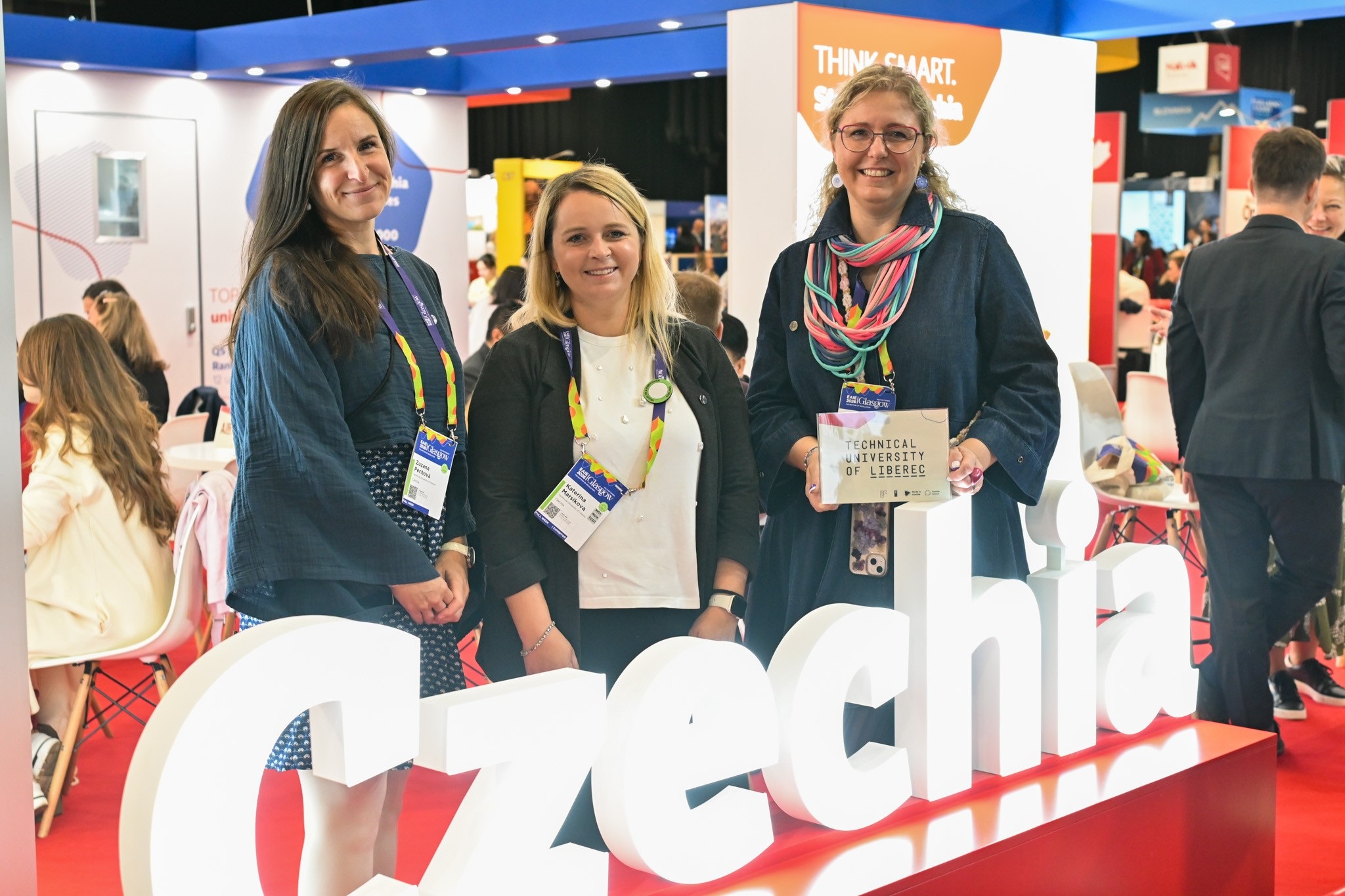
Czechia also had a strong presence this year. Twenty-three Czech higher education institutions and nearly 100 of their representatives took part at the joint Study in Czechia stand. Over the course of the conference, they met with existing partners, explored new opportunities for cooperation and contributed to the conference programme.
The record-breaking figures are particularly noteworthy in the wider context. International education today is being shaped by geopolitical uncertainty, shifts in funding, rapid technological development and changing student expectations. In this environment, stable and effective international partnerships are becoming increasingly important.
Internationalisation in the rhythm of change
This year’s theme, The Rhythm of Revolution, reflected this changing environment. It encouraged participants not simply to accept changes in international education, but to respond to them, actively shape them and seek new forms of cooperation.
In her opening address, EAIE President Sara López Selga stressed that international education is built on dialogue, professionalism and a willingness to understand one another, even when cooperation becomes more difficult. She also pointed out that global openness is under pressure and that universities’ ability to build effective networks and partnerships will be essential to the long-term sustainability of internationalisation.
Keynote speaker and neuroscientist Beau Lotto added another perspective to this year’s theme: what matters most, he argued, is not change itself, but how we respond to it. He highlighted curiosity, the ability to learn, courage and collaboration as essential qualities.
For higher education institutions, these broader challenges translate into very concrete decisions: which strategic relationships to develop, where to open up new mobility opportunities and joint projects, and how to make better use of existing partnership networks.
From the quantity of contacts to the quality of partnerships
This shift was also evident in the experience of Czech higher education institutions. For many of them, the EAIE exhibition is no longer simply a place to collect as many new contacts as possible. Increasingly, the focus is on working with partners where cooperation can deliver concrete and long-term results.
“We are no longer looking to establish as many new contacts as possible. We focus on high-quality partners, cooperation within our alliance, and making sure that the mobility opportunities and projects we agree on are successfully implemented,” says Radmila Unucková, Erasmus Coordinator at the School of Business Administration of Silesian University in Opava.
Charles University takes a similar approach to EAIE. “EAIE enables us not only to meet our partners, but also to clarify which relationships we want to develop further. Alongside establishing new contacts, we confirm what is working, address any issues and explore opportunities for cooperation beyond student exchanges,” says Sylvie Boumová, Head of the International Relations Office at Charles University.
EAIE as a tool for internationalisation
Major international higher education events such as EAIE in Europe, APAIE in the Indo-Pacific and NAFSA in the United States continue to be hugely important for universities. They bring together institutions and experts from around the world in one place, allowing universities to accelerate work that would otherwise take place gradually throughout the year.
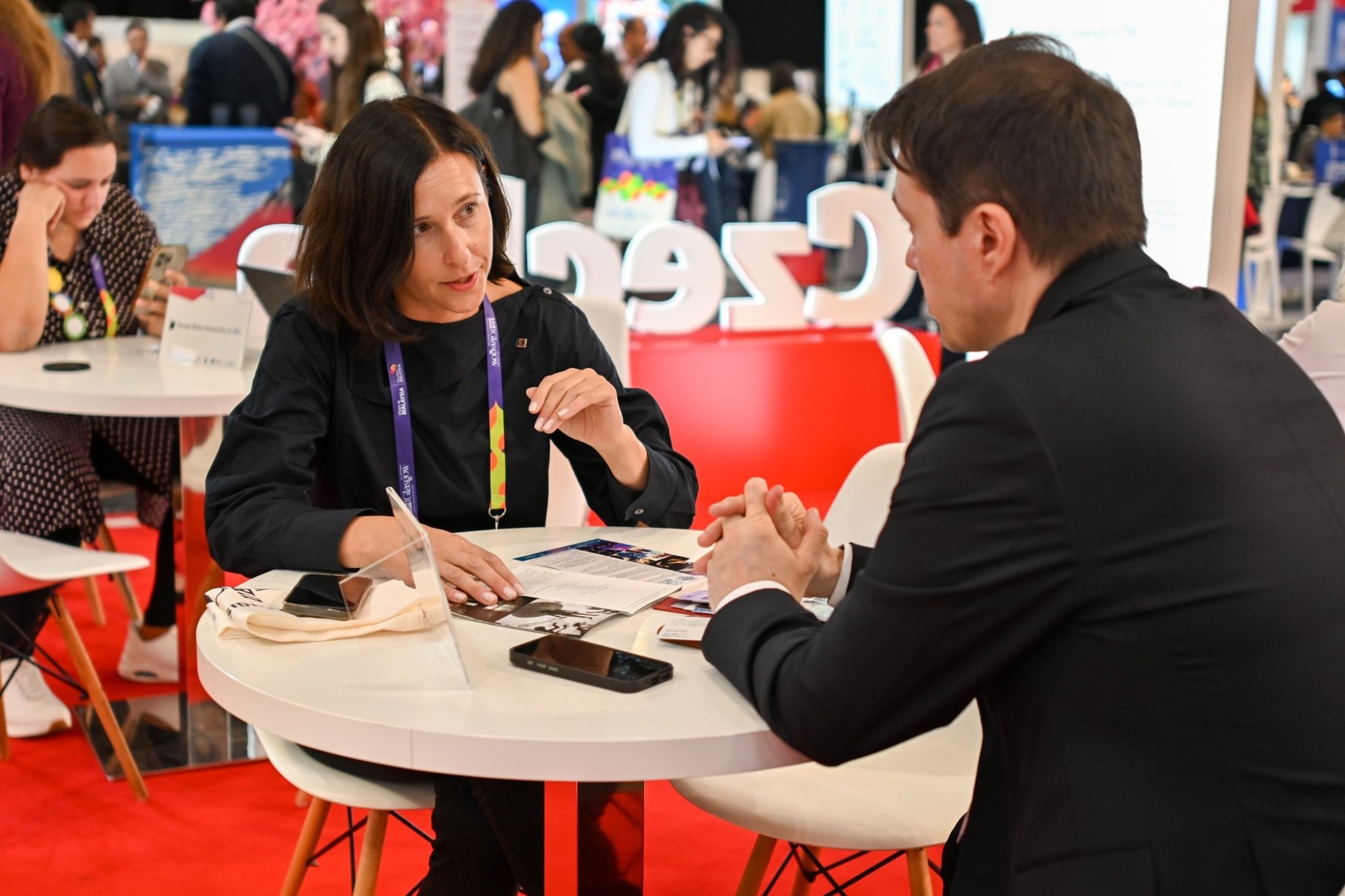
A successful EAIE therefore starts well before the conference itself. Czech institutions arrive with meetings already scheduled, specific issues to discuss and a clear idea of how they want to move individual partnerships forward.
“It makes sense to come to EAIE with a well-prepared schedule of meetings. Alongside discussions with new partners, it is an excellent opportunity to resolve specific issues with existing partner universities and move cooperation forward,” says Daniela Illnerová, Vice-Dean for External Relations at the Faculty of Information Technology, Czech Technical University in Prague.
Face-to-face contact remains particularly important when new cooperation is being established or more complex issues need to be addressed. It makes it easier to clarify expectations, identify common interests and build the trust on which subsequent emails and online meetings can then develop. This is especially valuable when institutions from different education systems work together and need to discuss issues such as recognition of studies, the functioning of European programmes or the administrative requirements of mobility schemes.
Study in Czechia as a gateway to Czech higher education
The joint Study in Czechia stand served both as a base for the Czech delegation and as a clear point of contact for international partners interested in cooperating with Czech higher education institutions.
The joint presentation also fosters cooperation among Czech institutions themselves. “The shared Study in Czechia stand is beneficial for Czech universities as well. We meet colleagues from other universities, exchange information and can connect a partner with an institution that can offer exactly what they are looking for,” adds Sylvie Boumová.
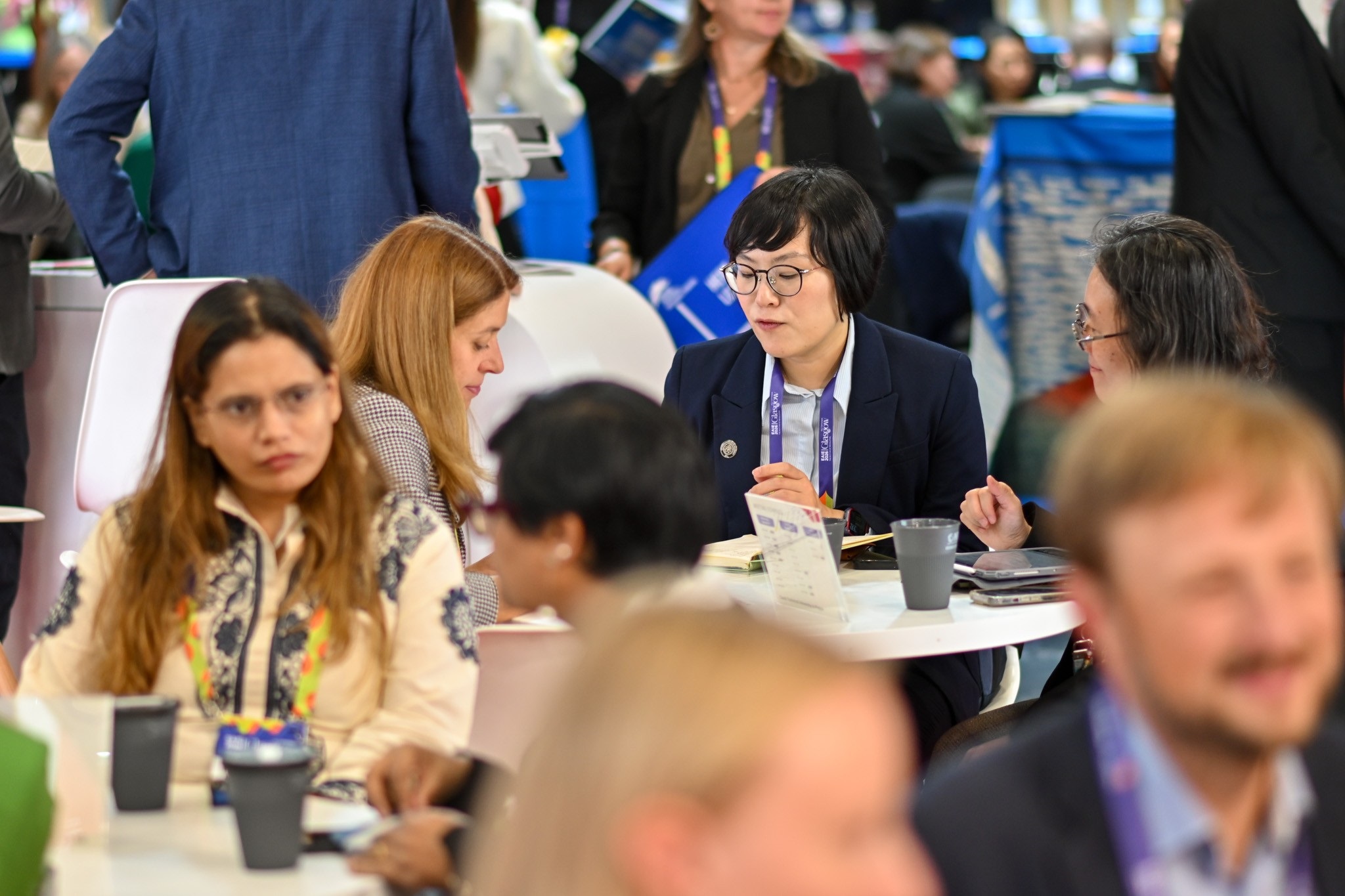
At events like EAIE, Czech higher education is therefore represented not only through individual universities, but also as an interconnected system able to offer international partners a broader range of opportunities.
The United Kingdom’s return opens up new opportunities for cooperation
One of the major topics at this year’s EAIE was the United Kingdom’s return to Erasmus+ from 2027. For Czech higher education institutions, this is above all an opportunity to build on long-standing relationships that existed before Brexit.
Between 2015 and 2019, the United Kingdom was the second most popular Erasmus+ programme country for participants from Czechia across all education sectors.
“The United Kingdom’s return to Erasmus+ is more than a change in programme rules. It once again provides universities with a stable framework for student and staff mobility, joint projects and long-term institutional partnerships. The Czech and British academic communities are not starting from scratch – they can build on relationships that have developed over many years,” says Michal Uhl, Director of the Czech National Agency for International Education and Research.
The opportunity works both ways. In 2024, Czechia ranked ninth among Erasmus+ programme countries for incoming higher education mobility, with approximately 17,000 arrivals. The return of British institutions can therefore create further opportunities not only for Czech students and staff travelling to the United Kingdom, but also for British participants coming to Czech higher education institutions.
A strong Czech presence in the conference programme
The strong Czech presence was not limited to the exhibition. Czech universities also contributed actively to the conference programme.
Representatives of Tomas Bata University in Zlín, Palacký University Olomouc, Masaryk University, the University of University of West Bohemia in Pilsen and the Czech University of Life Sciences Prague were among those sharing their experience. Their contributions covered topics including European University Alliances, inclusive mobility, social responsibility, sustainability, and student and staff mobility..
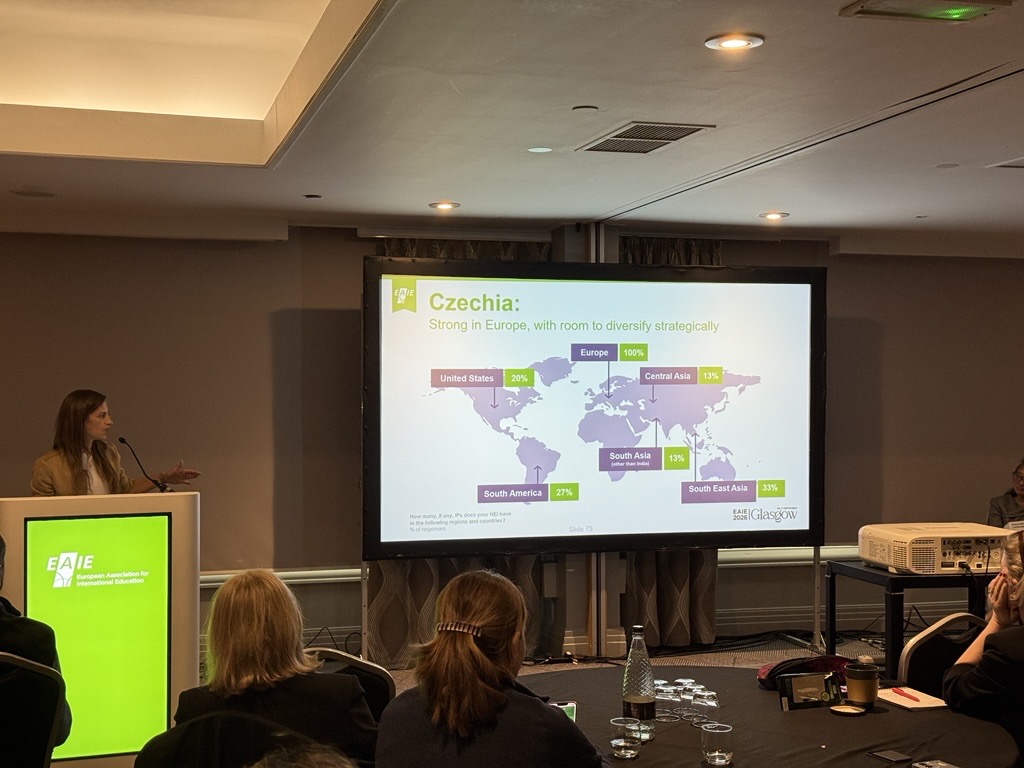
DZS also contributed to the conference programme. Roman Klepetko, Deputy Director and Head of the Higher Education and Lifelong Learning Division at DZS, spoke about models, lessons learned and the future of transatlantic partnerships.Soňa Lippmann, Head of the Communication and Analytical Division at DZS, presented new data on the development of internationalisation, drawing on a pilot study of international partnerships by the Institute of International Education.
Stronger internationalisation is built on quality relationships
This year’s EAIE showed that the importance of international cooperation in higher education is not diminishing in a period of rapid change. What is changing, however, is the way universities approach it.
For Czech institutions, the main objective is no longer simply to expand the number of partner institutions. Increasingly, the focus is on selecting partnerships with long-term potential, turning them into mobility opportunities and concrete projects, and building networks capable of withstanding a changing international environment.
This is precisely where participation in events such as EAIE proves its value: within just a few days, universities can strengthen relationships, address specific challenges, identify strategic partners and open up new forms of cooperation.
As Radmila Unucková sums up the experience from Glasgow: “When cooperation is agreed face to face around the table, it has a much better chance of actually happening.”
List of higher education institutions participating in EAIE 2026 in Glasgow
- Academy of Performing Arts in Prague
- Anglo-American University
- Czech University of Life Sciences Prague
- Czech Technical University in Prague
- European Research University (ERUNI)
- University of South Bohemia in České Budějovice
- Masaryk University
- Mendel University in Brno
- University of Ostrava
- Silesian University in Opava
- Technical University of Liberec
- University of Hradec Králové
- University of Jan Evangelista Purkyně in Ústí nad Labem
- Charles University
- Palacký University Olomouc
- Tomas Bata University in Zlín
- University of New York in Prague
- VSB – Technical University of Ostrava
- University of Chemistry and Technology, Prague
- Prague University of Economics and Business
- Institute of Technology and Business in České Budějovice
- Brno University of Technology
- University of West Bohemia