The future of Europe is also being shaped at universities. CEEDUCON 2025 showed that the key lies in digitising, connecting, and supporting graduates
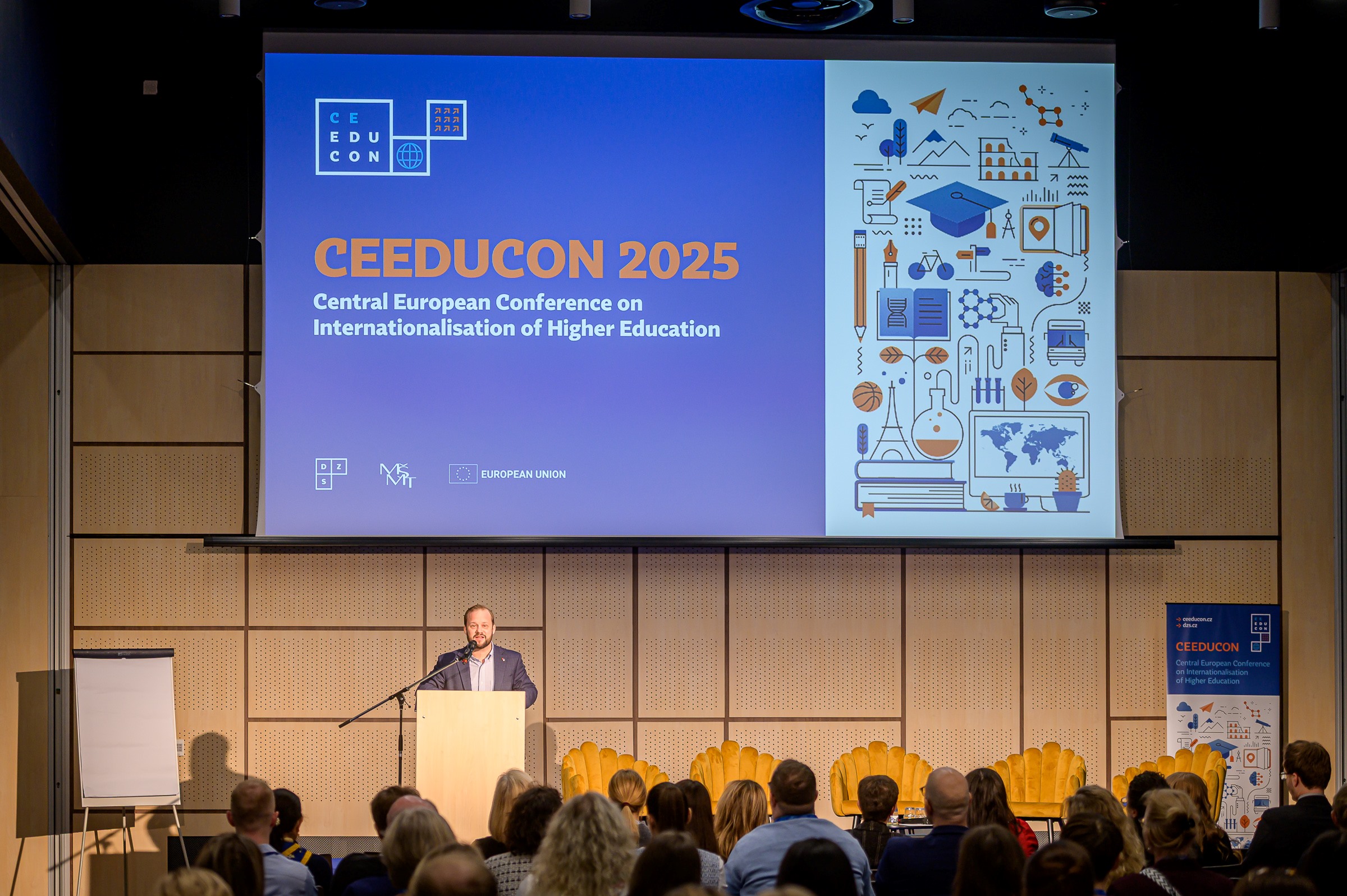
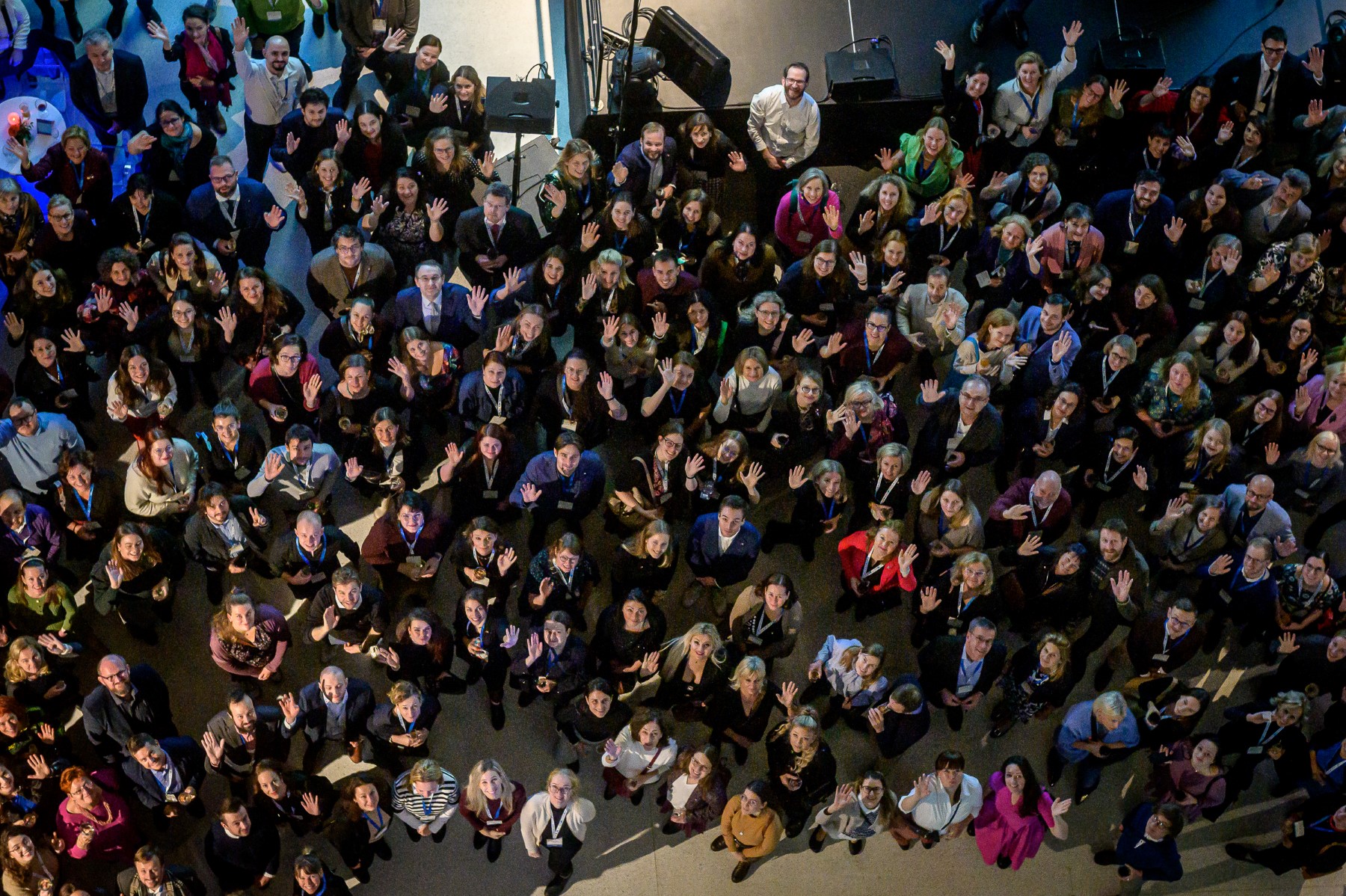
The seventh edition of the Central European conference CEEDUCON, organised by the Czech National Agency for International Education and Research (DZS) together with partner agencies from Austria, Germany, Poland, Slovakia and Hungary, brought more than eight hundred higher education professionals to Prague’s O2 universum on 19–20 November. The discussions focused on four topics shaping the world of higher education: „Smart & Sustainable Cooperation, Internationalisation for All, Global & Regional Partnerships, Alumni & Future Skills“. They showed that maintaining European prosperity will increasingly depend on how universities work with their students and talented graduates.
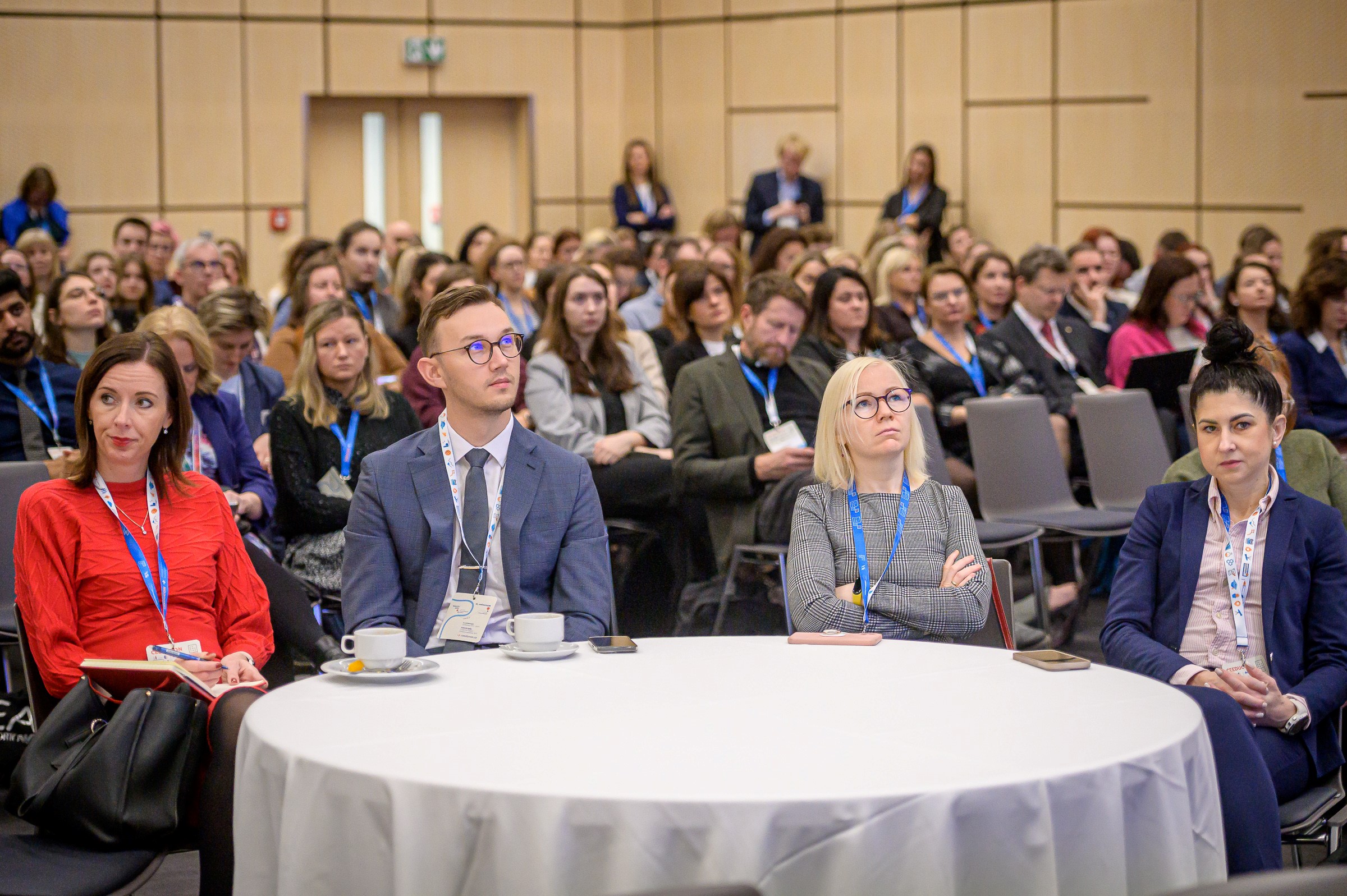
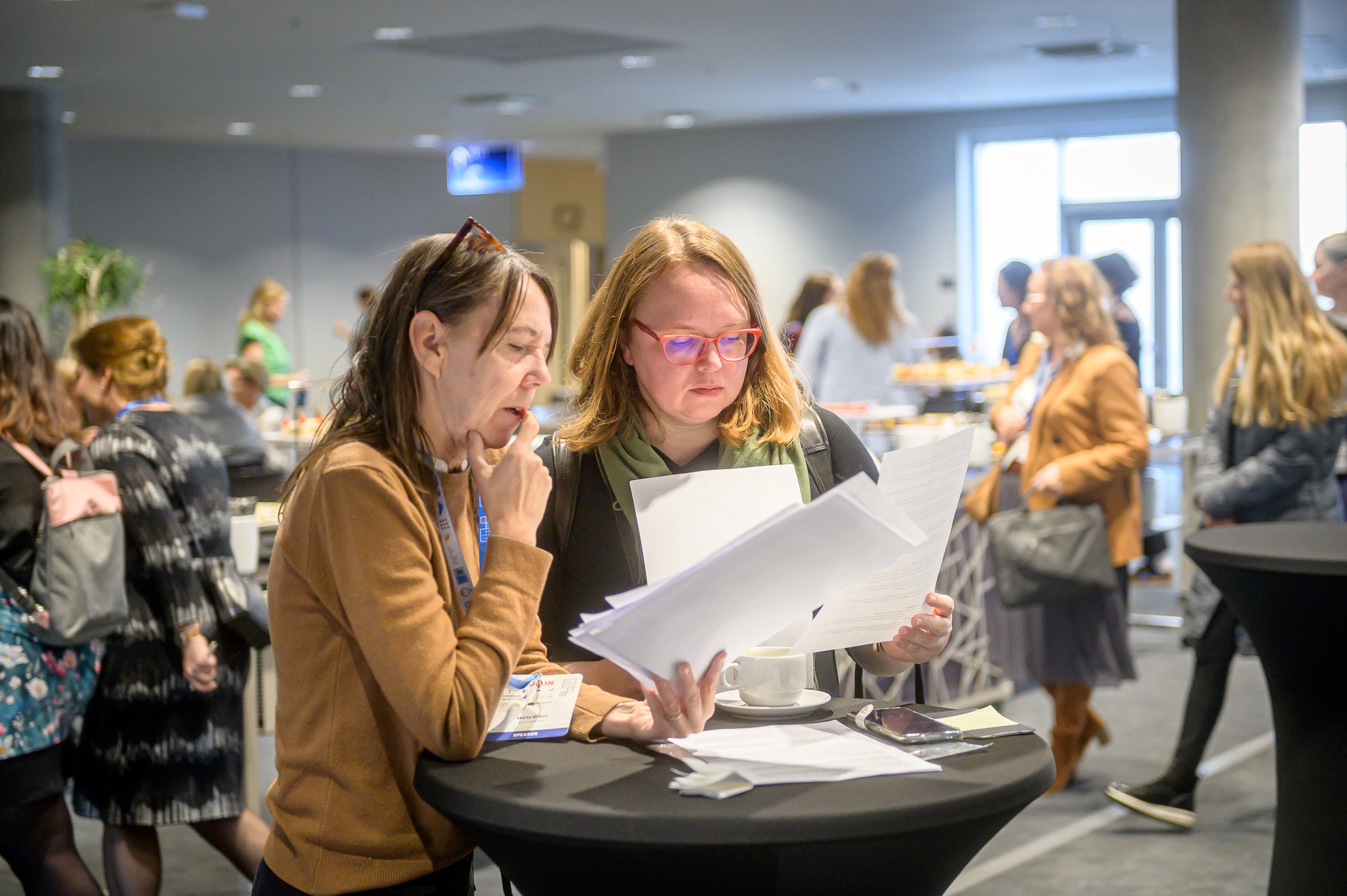
Over two days, CEEDUCON brought together 853 participants from 24 countries and 157 speakers took the floor on the main stages and in the parallel halls. The programme offered 63 lectures, workshops and debates, and the strong interest of the professional community was confirmed by the number of submitted contributions as well: this year DZS received 164 proposals for presentations. Alongside the content, the networking part of the conference played an essential role – this is where new contacts and partnerships were formed, universities connected with one another and the community was strengthened, a community that is key to long-term international cooperation as well as to meaningful work with students and graduates.
The conference was opened by DZS Director Michal Uhl with a fundamental question: „Internationalisation has long ceased to be optional. It is a basic prerequisite for developing the skills we need for global competitiveness. If Europe is to stay at the top, it must open up its education space, remove barriers and invest in talent – from the very first contact with a student all the way to their career and their engagement in society.“
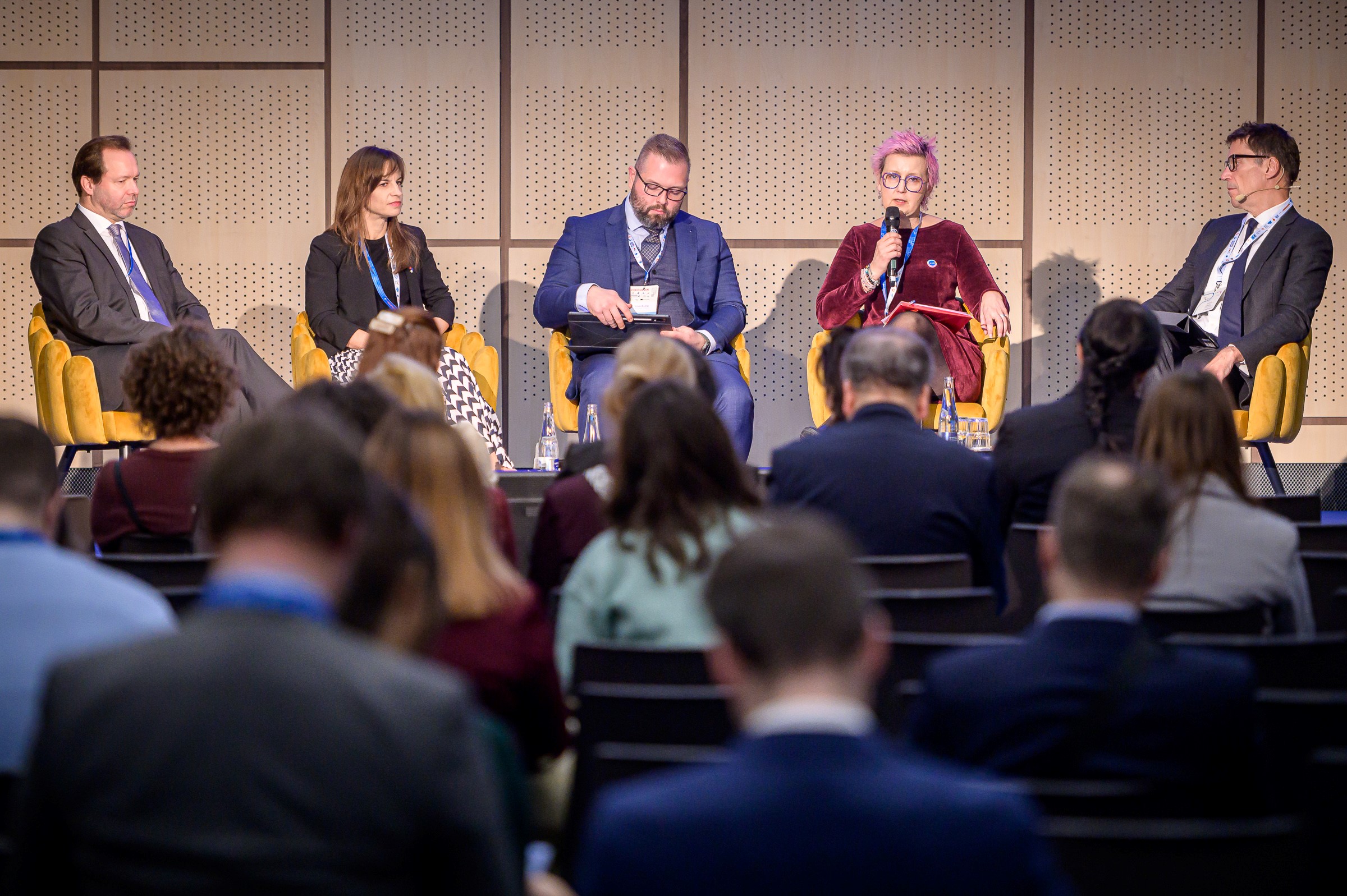
The importance of the European Union’s new multiannual financial framework and the future of the Erasmus+ programme were underlined by the conference’s keynote speaker Stefan Zotti from the European Commission. He recalled that Europe is facing a strategic decision on whether to increase investment in education and enhance the flexibility of the Erasmus+ programme, which today represents one of the most successful mechanisms of European integration. The European dimension of the whole debate was also taken up by Jaroslav Miller, Chairman of the National Accreditation Bureau for Higher Education. He pointed out that internationalisation is today the foundation of the competitiveness of the European education area – and that without coordination of the policies of individual countries its potential cannot be fully used. „If Europe wants to keep pace with global leaders, it needs an open, compatible and well-connected education area,“ he stressed.
STEM as the key to the economic future
At the CEEDUCON conference it was clearly stated that the prosperity of Czechia and of Europe will rest on digital and technical skills. The lecture on the future of STEM education, led by the Rector of Brno University of Technology Ladislav Janíček, showed that the Czech economy – the fastest-changing in the EU – cannot do without professionals able to work in fields with high added value.
A warning was voiced: if Europe is not able to train and retain enough talent for biomedicine, artificial intelligence, cybersecurity or the space industry, it will lose the position it has been building for decades. Janíček clearly formulated that today’s labour market calls for less narrow specialisation and more „generalist engineers“ who can combine technology, communication and teamwork. STEM skills are thus becoming the factor that will decide whether we will create here, or merely manufacture.
The data show that investing in students pays off
A strong emphasis on data and economic impacts was brought by the joint contribution of Soňa Lippmann and Eero Loonurm, which showed why investments in international students are becoming one of the most effective ways to raise the quality of education and the resilience of the economy. Both speakers presented the experience of their teams from Study in Czechia and Study in Estonia respectively in the contribution Building the Case: Why International Students Matter, which compares the approaches of Czechia and Estonia – two countries linked by post-transformation development, yet today at different stages of internationalisation policy.
Their presentation showed that international students and graduates are not merely an addition to the higher education community, but a key source of innovation, interdisciplinary cooperation and economic benefit. While Czech universities generate benefits worth billions annually thanks to them, Estonia has already demonstrated that well-thought-out work with graduates brings a long-term effect: more than half of international graduates stay in the country and actively strengthen its knowledge economy. In Czechia, according to the latest DZS calculations, they generate more than CZK 17 billion every year, support almost 6,000 jobs, and the investment in their education returns to the state within a few months to two years.
The future of mobility is personal, digital and community-based
At the same time, CEEDUCON showed that work with graduates must speak to everyone. Representatives of the European Solidarity Corps programme presented volunteering as an inclusive and financially accessible route to international experience. The example of the Faculty of Physical Education and Sport of Charles University showed that an institutional Quality Label can bring wellbeing, community life and international cooperation together into a single model of an open university.
Great interest was also attracted by the workshop Next Gen Student Communities: Futures Thinking for European Universities, which focused on the future of student communities. Participants looked for answers on how to maintain international connections between students in a hybrid world. The future will not be only about travelling – it will be about digital communities that are just as strong as physical ones.
University alliances as catalysts of innovation
CEEDUCON also recalled the role of European university alliances as living laboratories of a new higher education model. Joint courses, shared digital tools and pilot projects of a European degree prove that the future of education will be considerably more connected and more agile, provided that student involvement can be increased and administration reduced.
A European future begins at universities
Czech and European competitiveness begins in the classrooms and culminates only at the moment when graduates become active players in the economy and in society. Internationalisation, inclusion, digitalisation and work with graduates are not separate agendas – they form a single strategy that will determine Europe’s ability to succeed on the global stage.
Presentations by all speakers are now available for download on the conference website in the programme section, and video recordings from halls C1 – C3 are available to those interested.
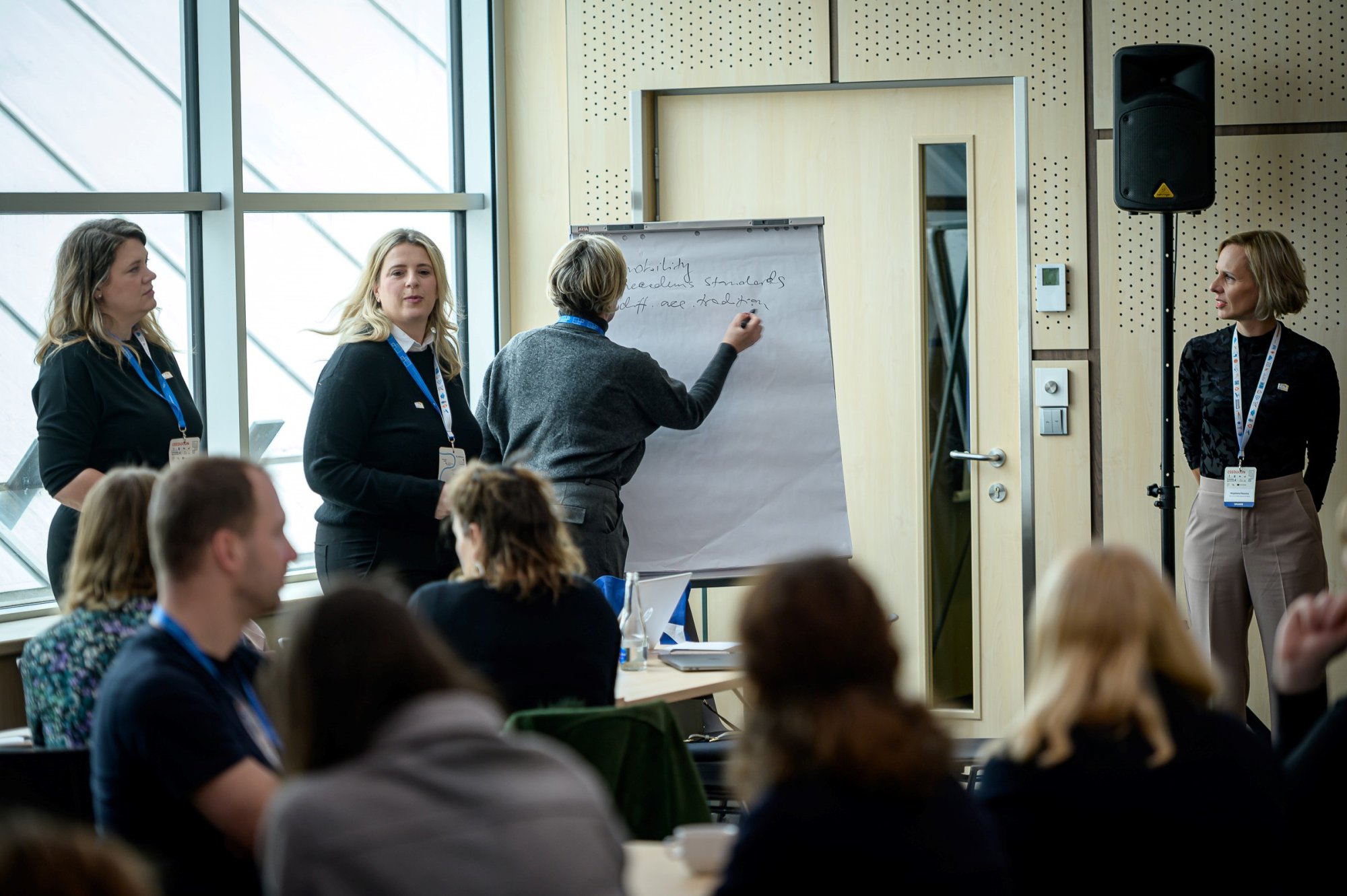
Foto: Petr Zewlakk Vrabec | DZS
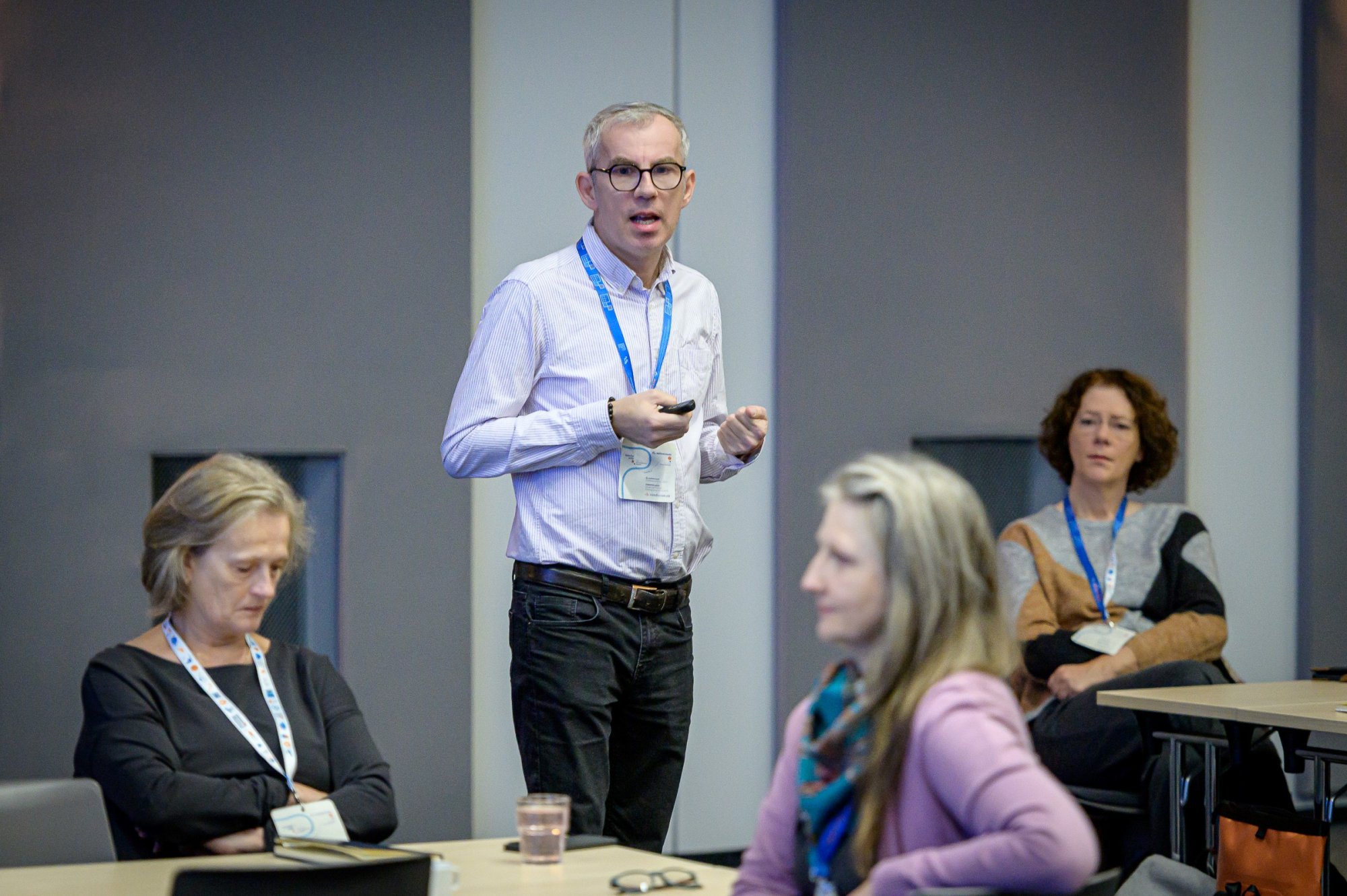
Foto: Petr Zewlakk Vrabec | DZS
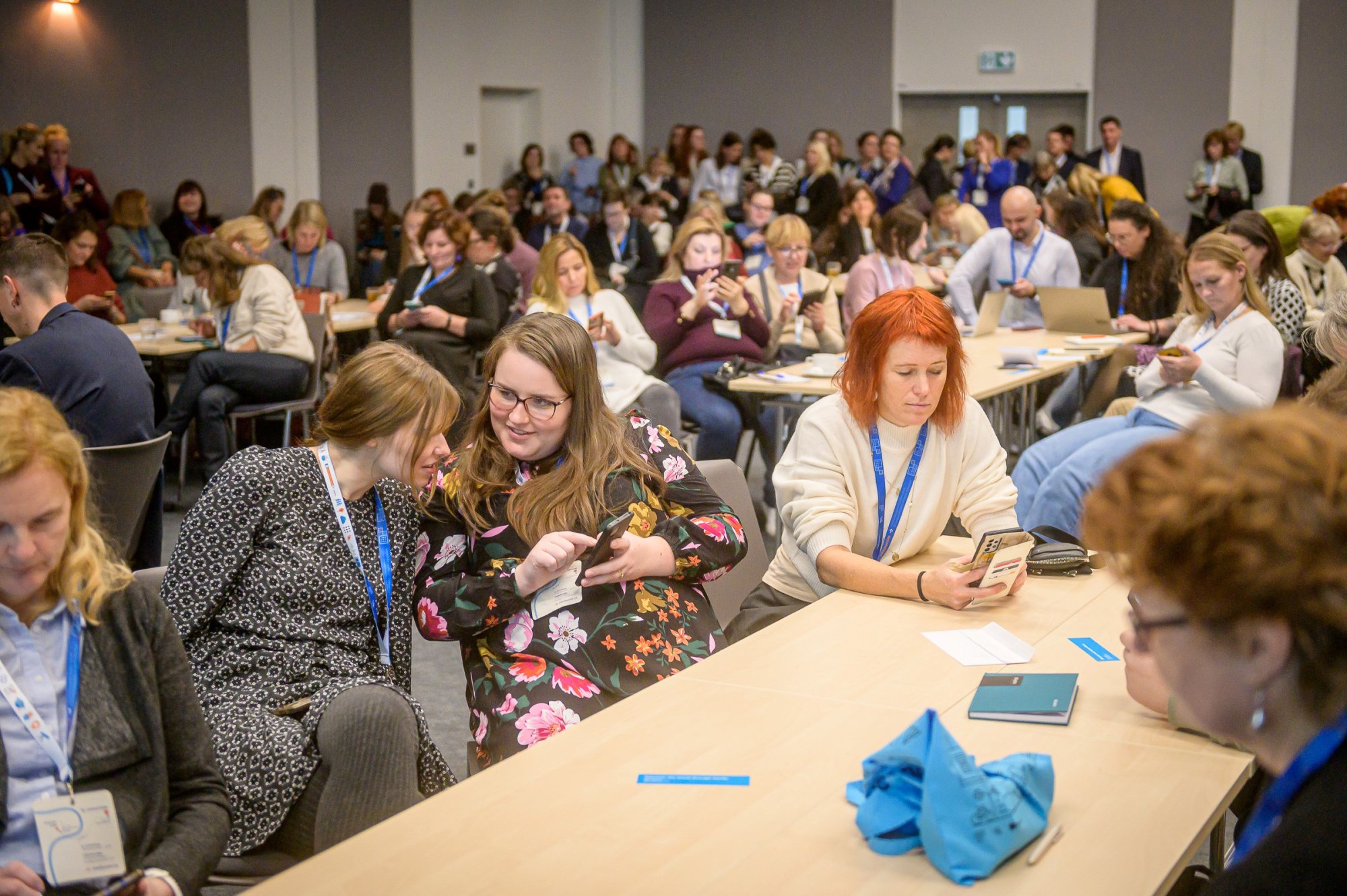
Foto: Petr Zewlakk Vrabec | DZS
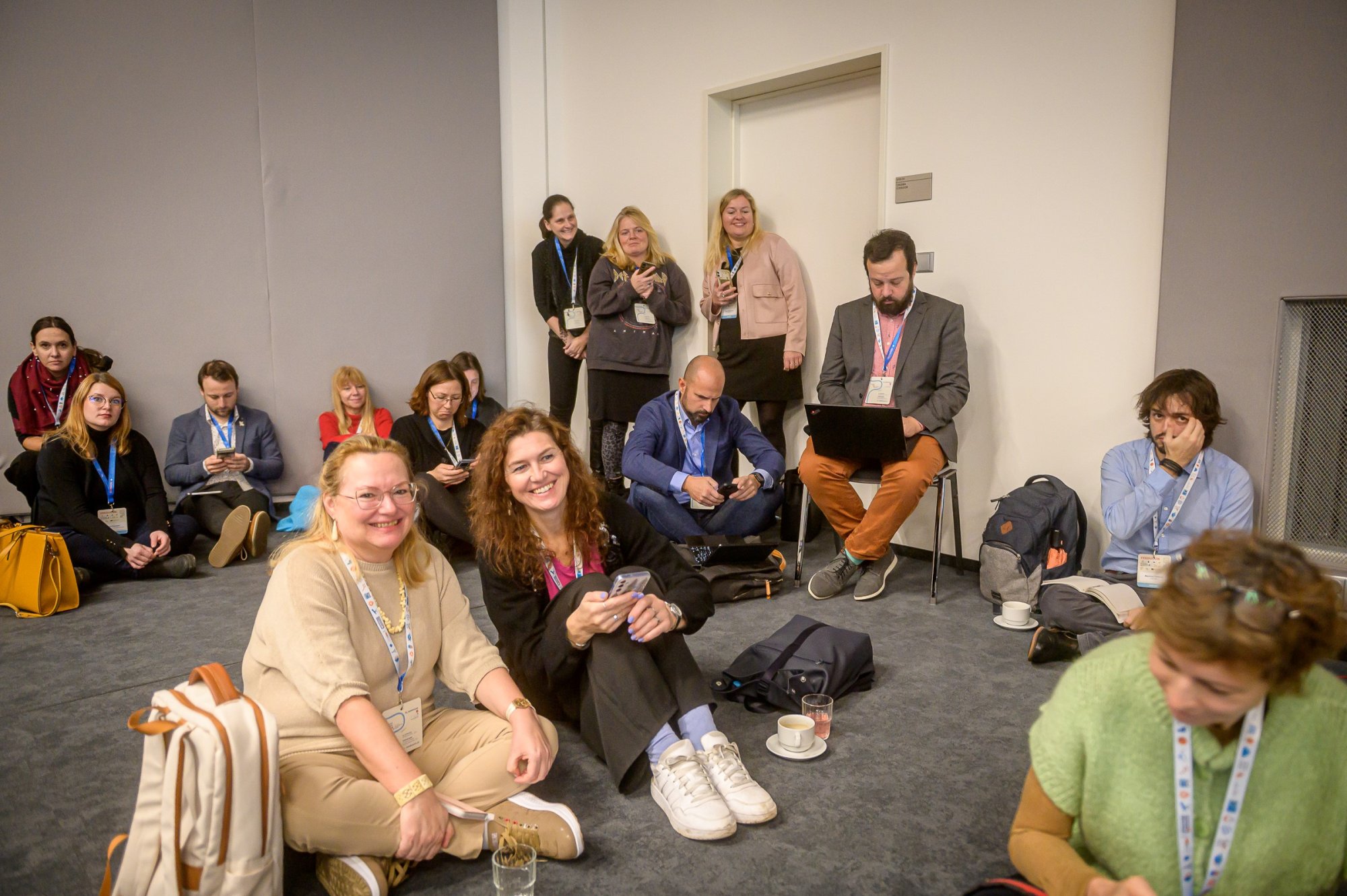
Foto: Petr Zewlakk Vrabec | DZS
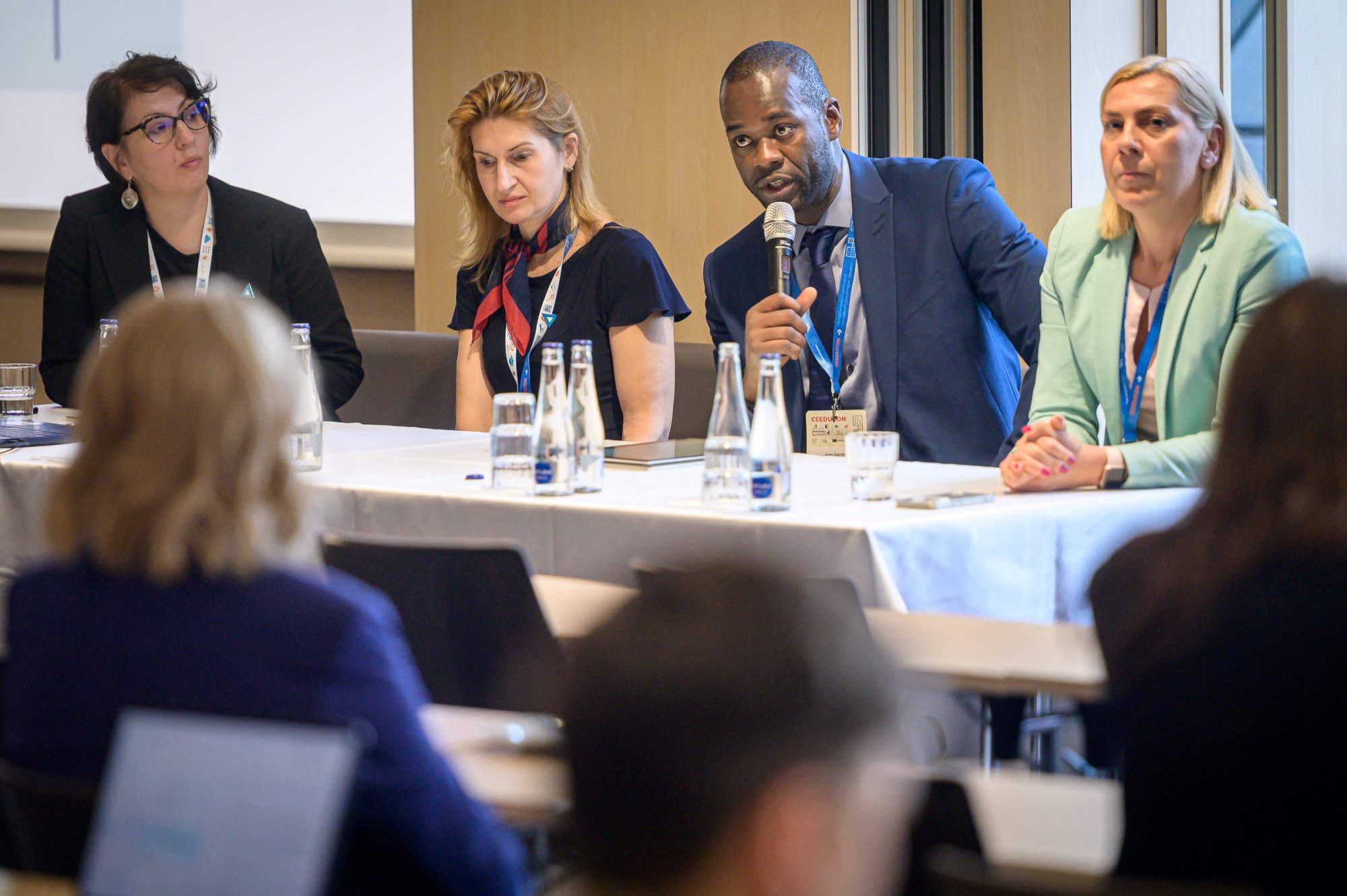
Foto: Petr Zewlakk Vrabec | DZS
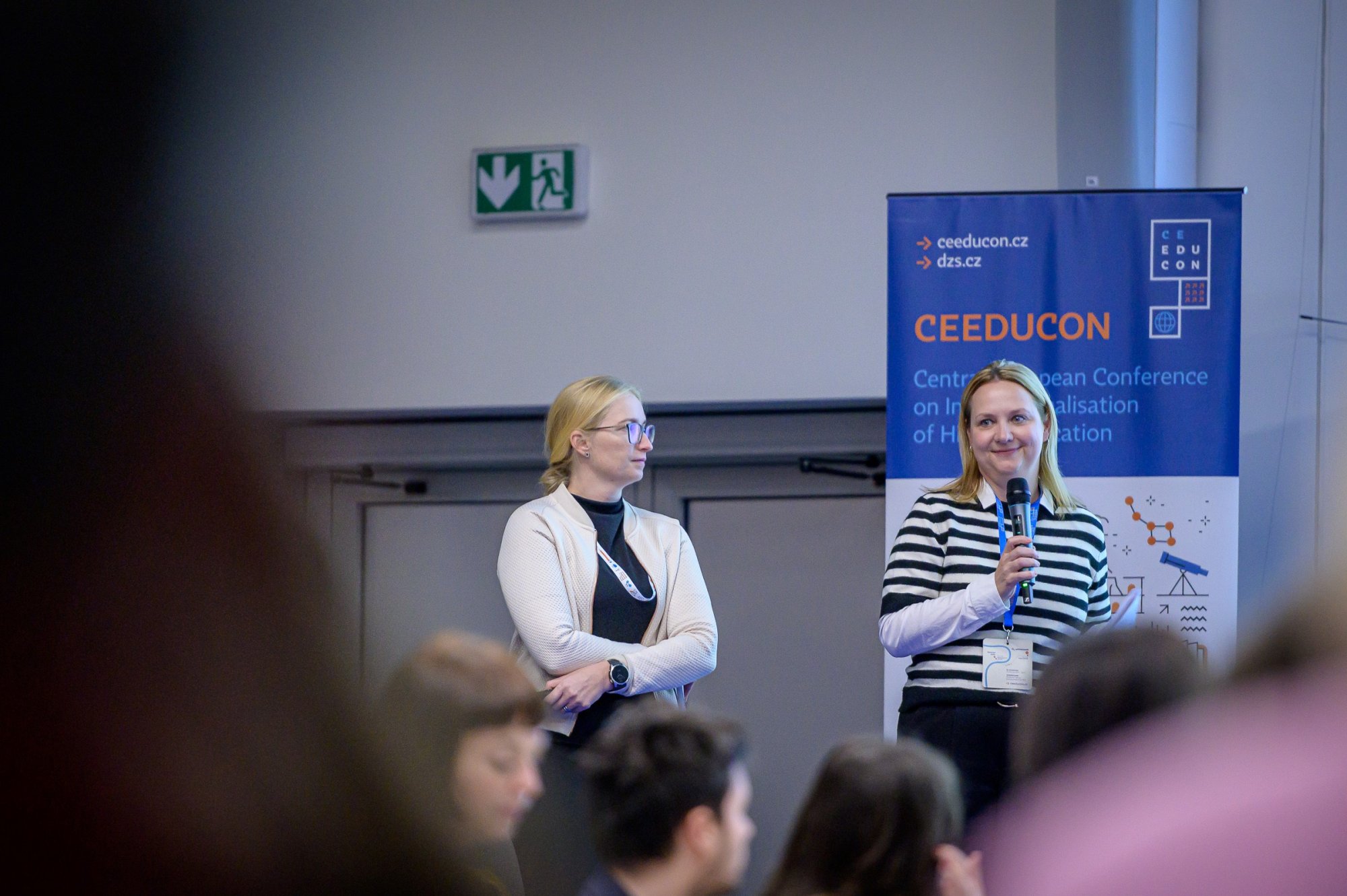
Foto: Petr Zewlakk Vrabec | DZS
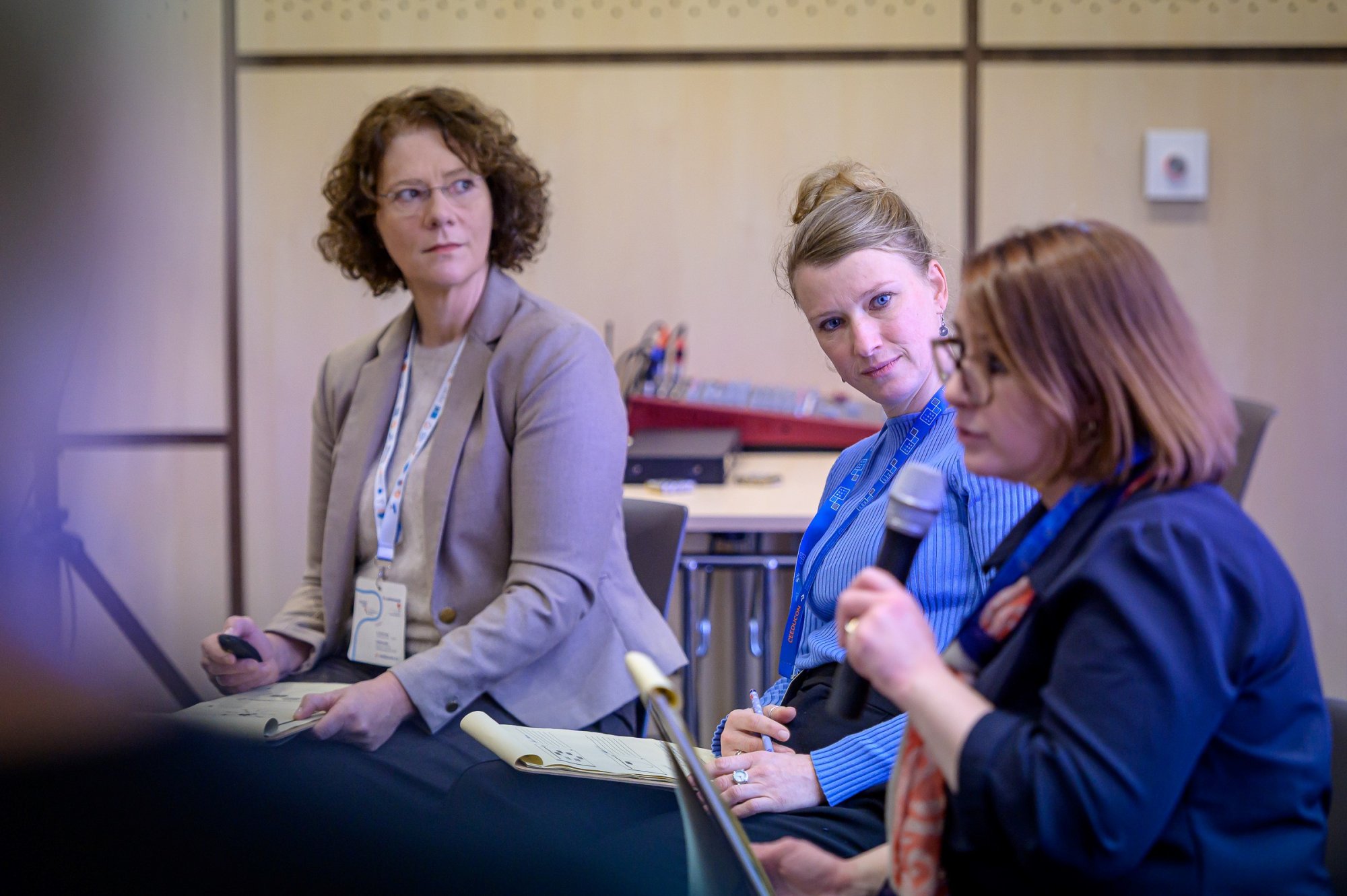
Foto: Petr Zewlakk Vrabec | DZS
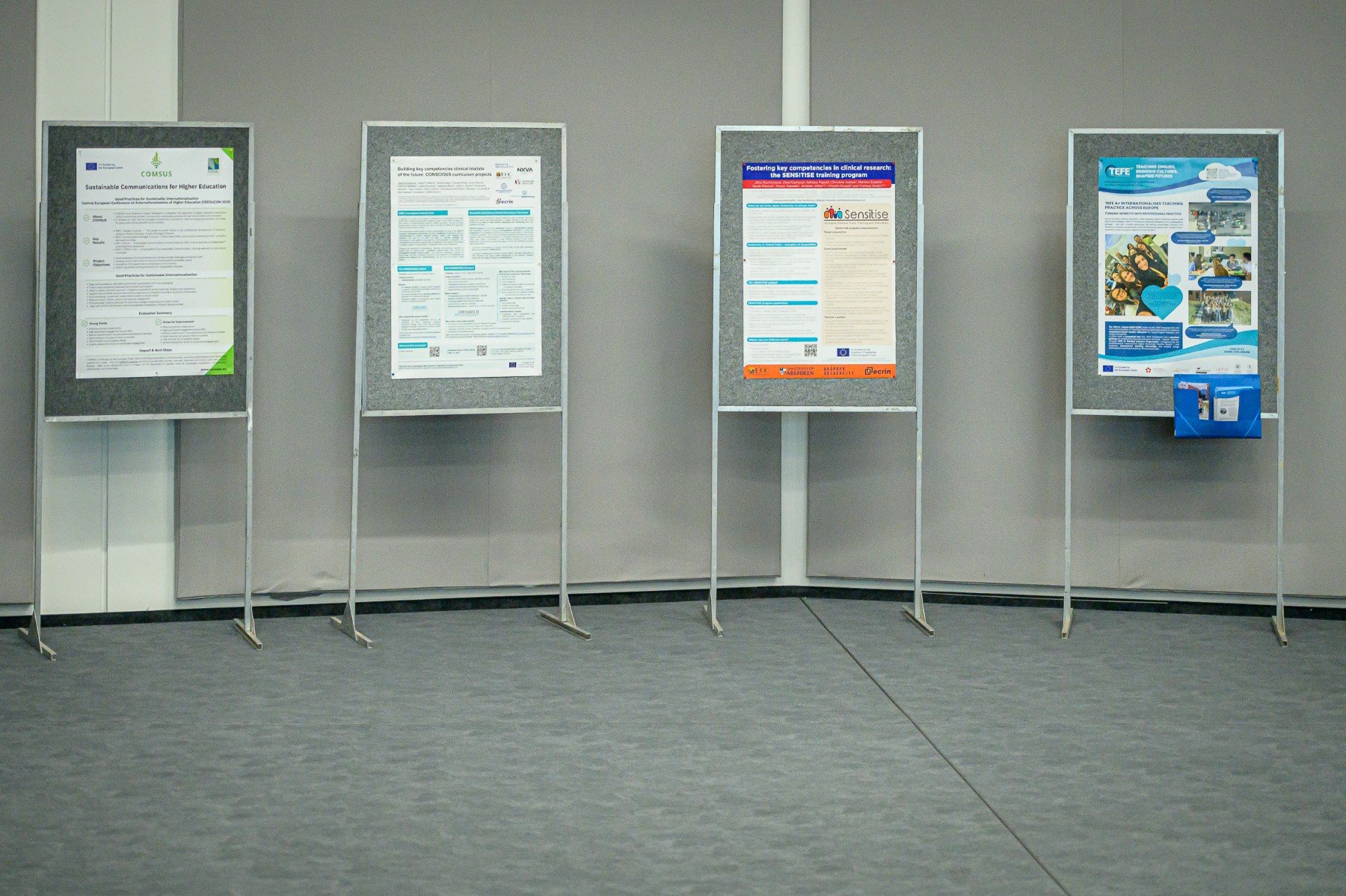
Foto: Petr Zewlakk Vrabec | DZS
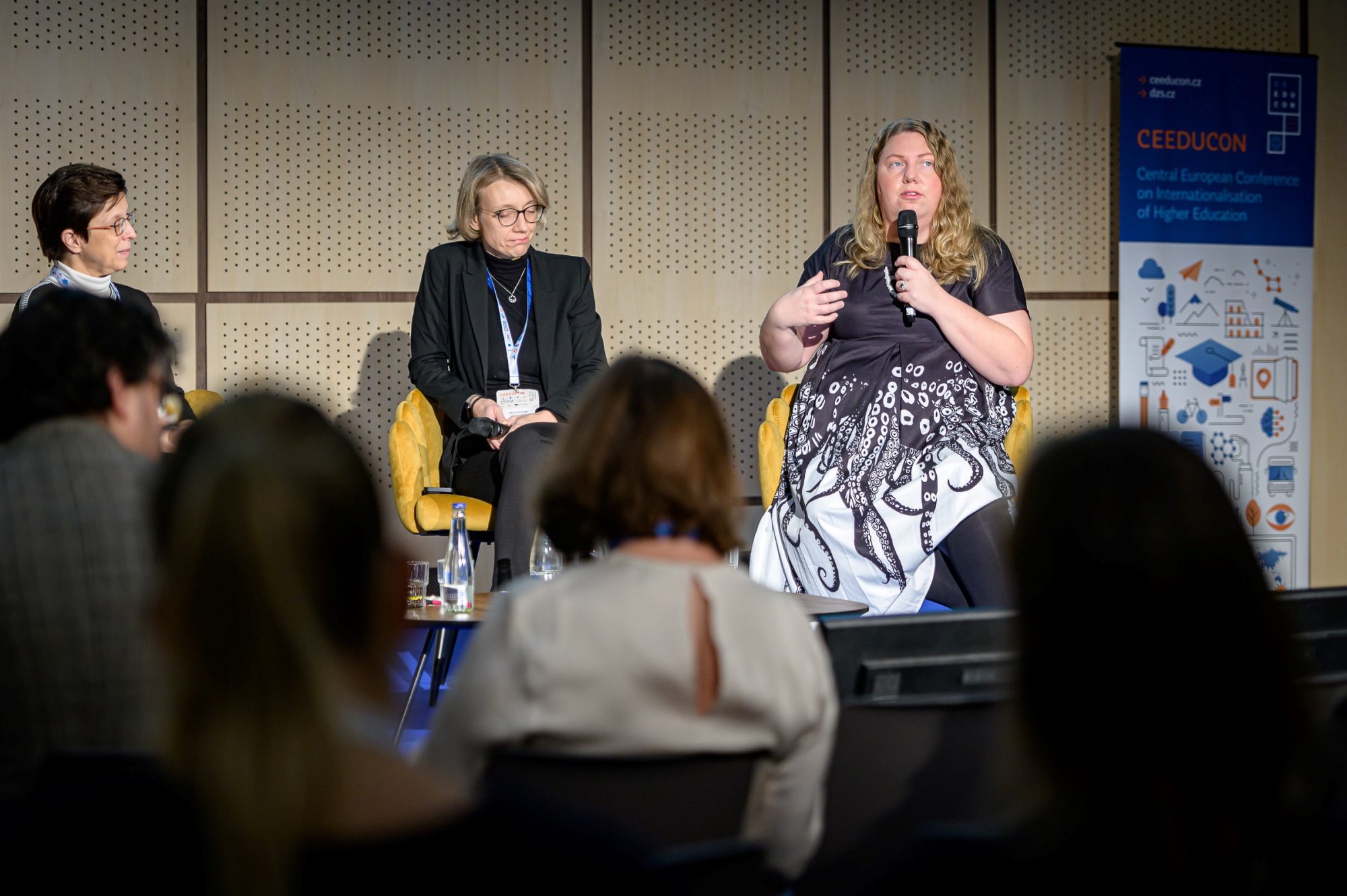
Foto: Petr Zewlakk Vrabec | DZS
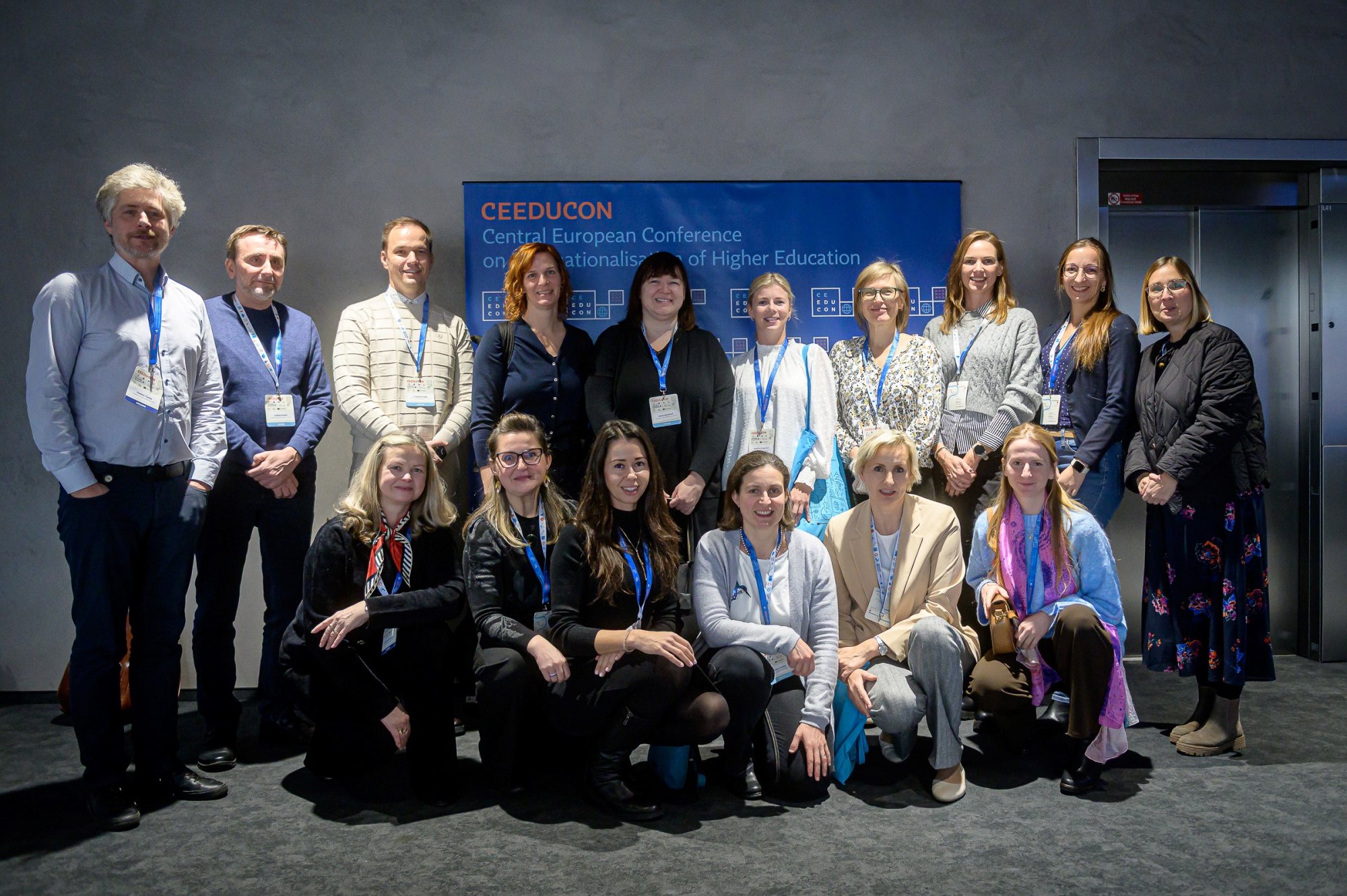
Foto: Petr Zewlakk Vrabec | DZS
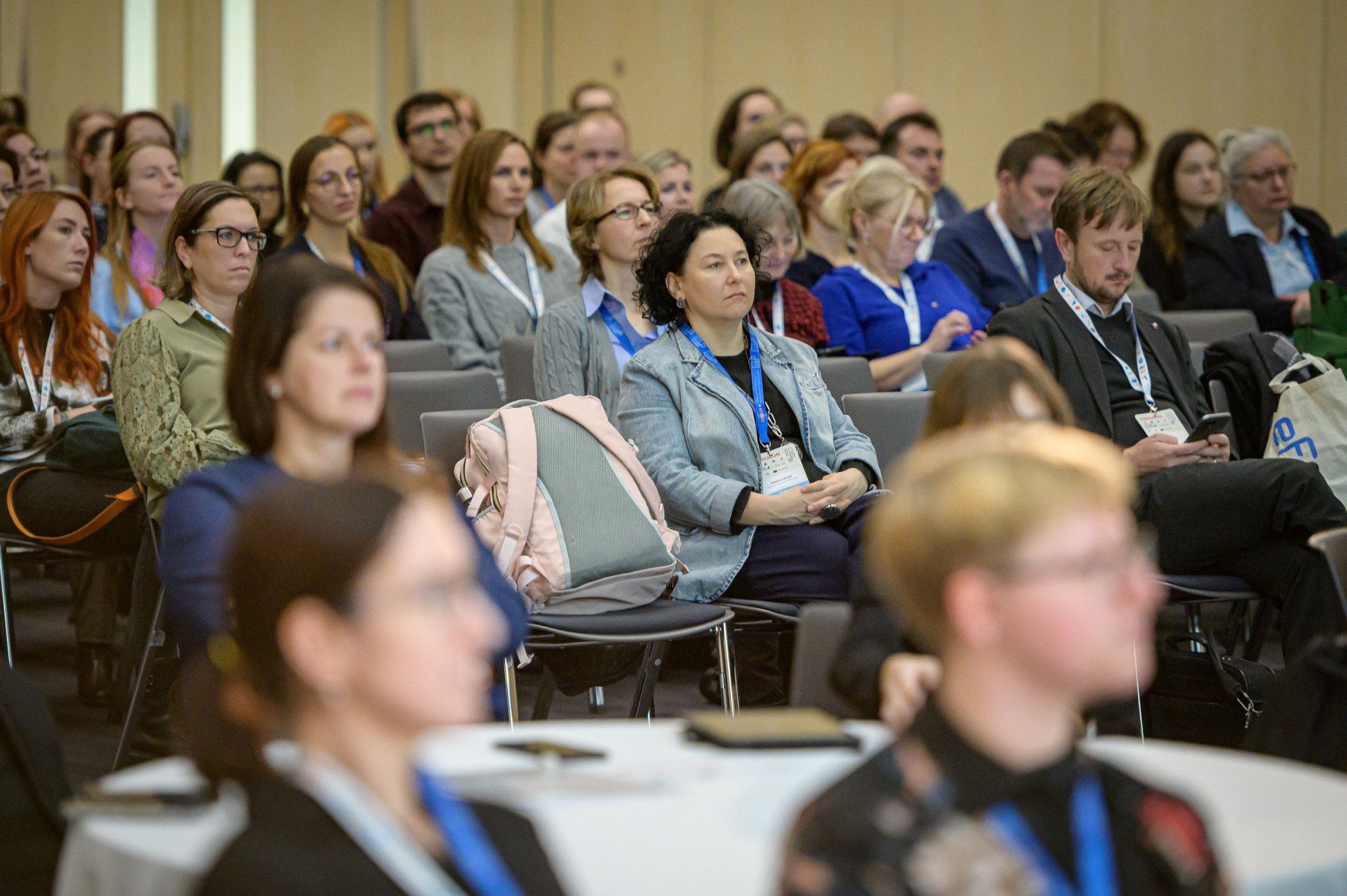
Foto: Petr Zewlakk Vrabec | DZS
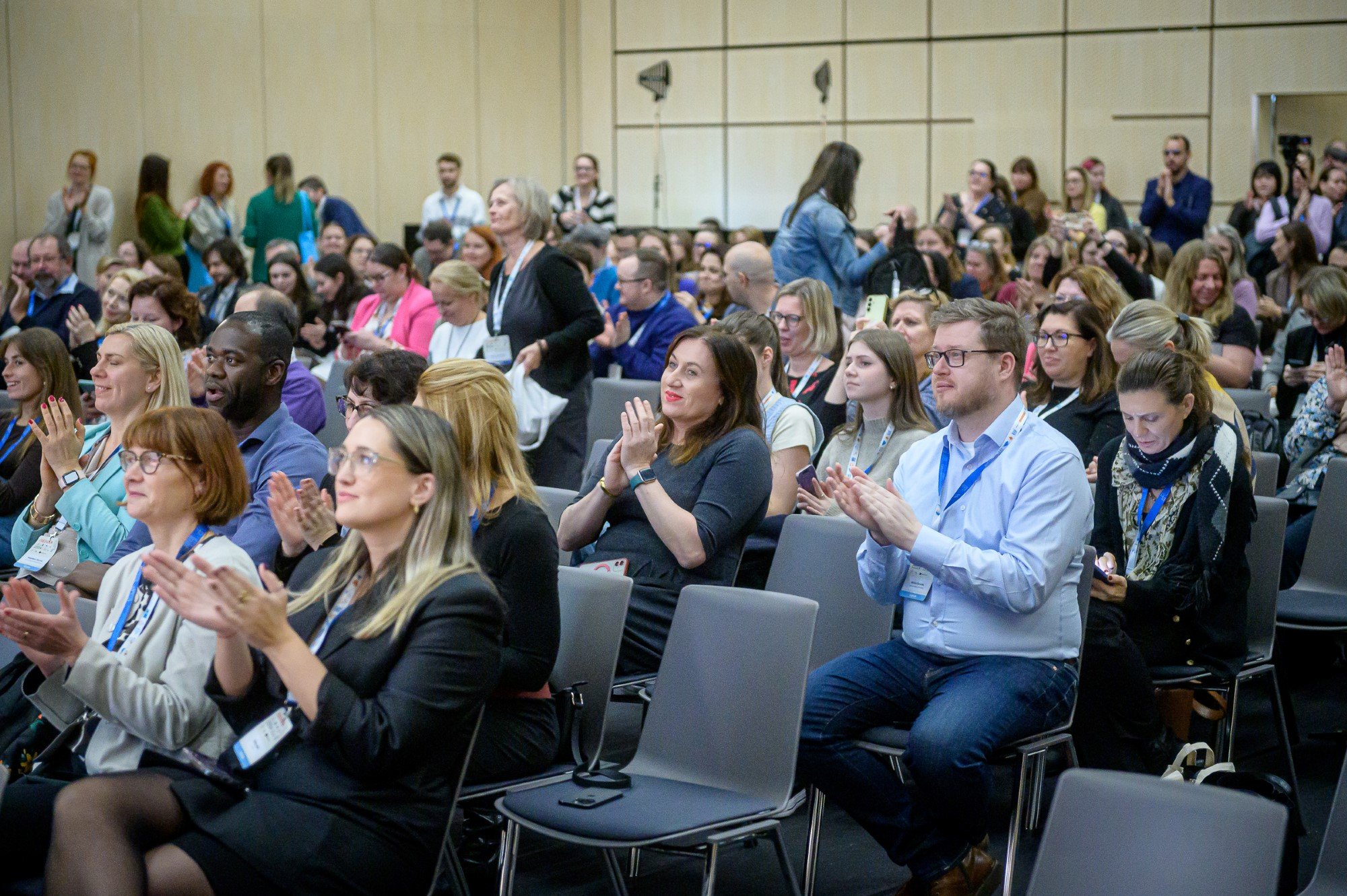
Foto: Petr Zewlakk Vrabec | DZS
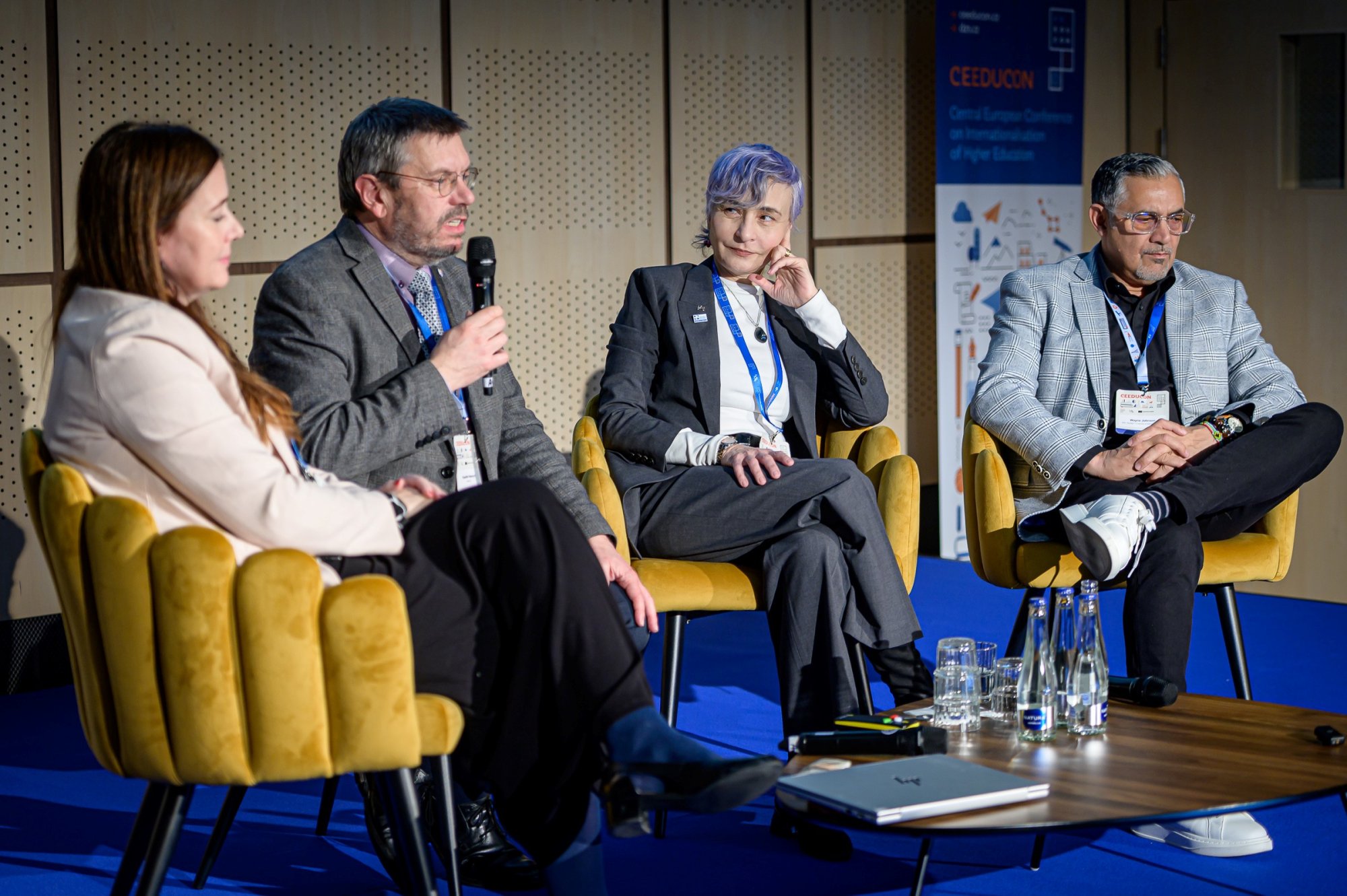
Foto: Petr Zewlakk Vrabec | DZS

Foto: Petr Zewlakk Vrabec | DZS
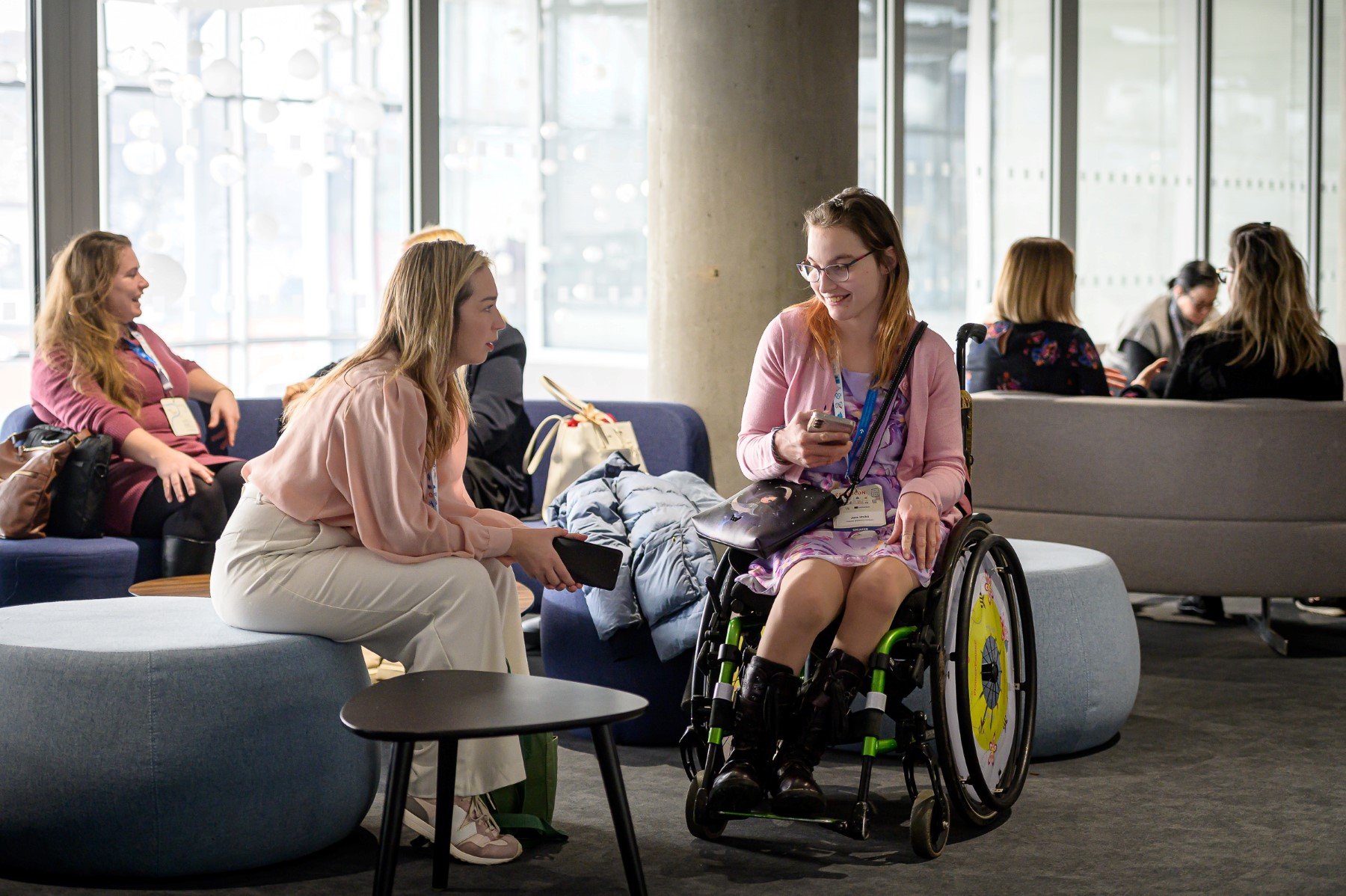
Foto: Petr Zewlakk Vrabec | DZS