
Christmas EduCafé Showed How to Identify Gifted Children and Young People and Develop Their Potential
The final EduCafé of the year focused on the topic of supporting exceptionally gifted pupils, students, and young people.
On Monday, 8 December, we organised another EduCafé, this time in cooperation with the Academic Cooperation Association (ACA). The event took place at the Bohemian Art Space in the European Quarter of Brussels and attracted participants from both the professional community and the wider public, including students themselves. The debate featured Andrea Hoffmannová, Deputy Mayor of the City of Ostrava and, since October 2025, a Member of the Chamber of Deputies of the Parliament of the Czech Republic, and Radomíra Houšková, a secondary-level teacher at the European School Brussels III in the Czech section. The discussion was moderated by Courtney Hartzell, Project Manager and Policy Coordinator at the Academic Cooperation Association (ACA).
During the debate, several topics were addressed. First, the speakers shared their views on how gifted children can be identified. Radomíra Houšková drew on her many years of teaching experience and explained to the audience that gifted children typically tend to ask more follow-up questions outside regular lessons and seek a deeper understanding of the topics discussed. Andrea Hoffmannová then shared the experience of the City of Ostrava, which has been systematically building a talent identification framework starting already at pre-school age. This system relies on a network of psychologists and specialised coordinators who provide the necessary services to relevant families.
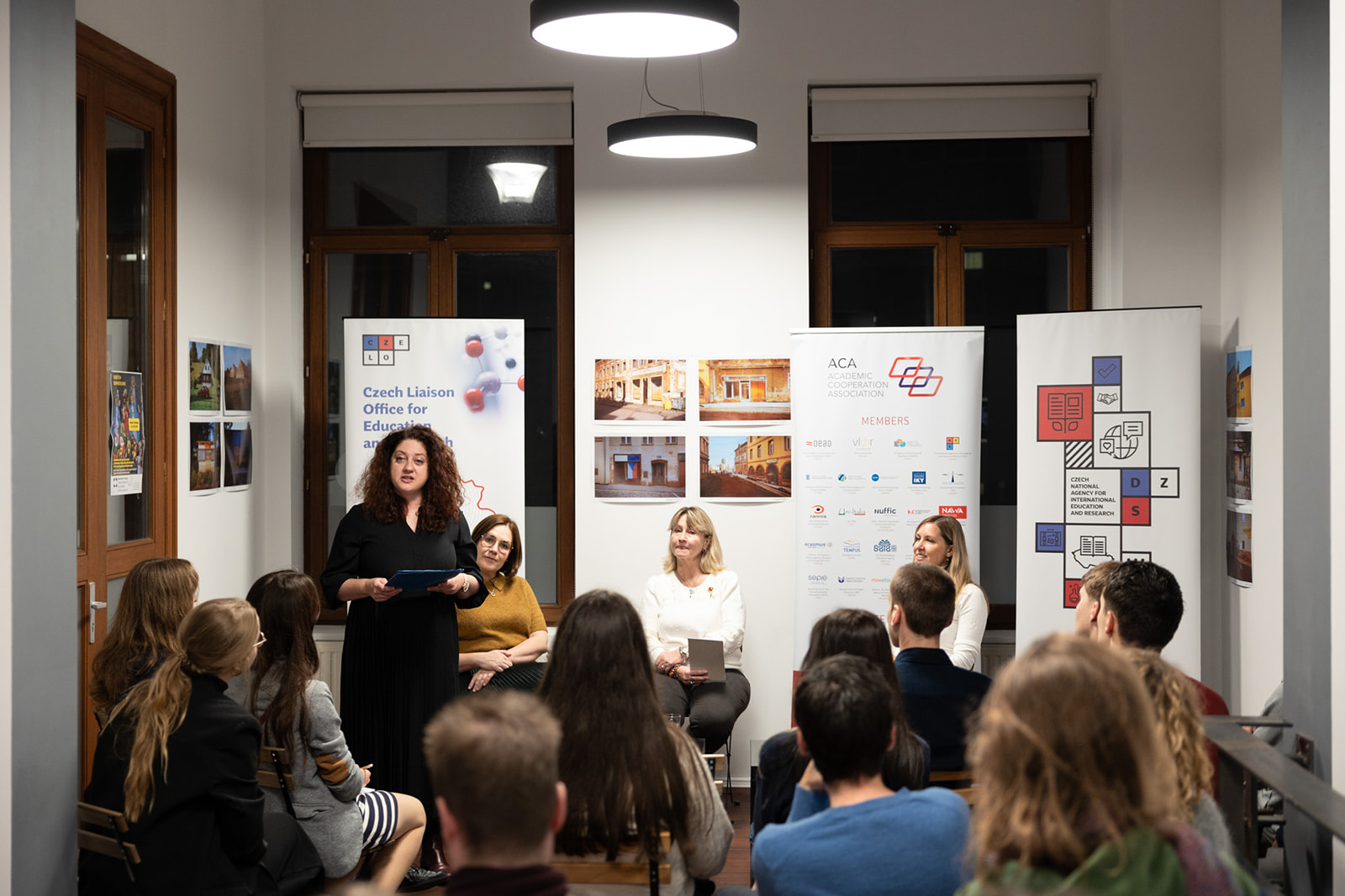
As regards the role of schools in supporting gifted students, Radomíra Houšková emphasised the need to create the most open possible environment, one that allows for open discussion of different perspectives. European School Brussels III also organises the Springfest festival, where students can showcase their creativity as well as their organisational and other skills. Throughout the rest of the year, the school places strong emphasis on project-based learning and cooperation across year groups, including initiatives to support girls in STEM fields.
As Andrea Hoffmannová explained, the City of Ostrava seeks to connect different levels of education, including non-formal education, and to promote the exchange of information and experience. A frequent problem is that many initiatives are unaware of one another, which leads to a loss of valuable information and missed opportunities for cooperation. An important role in Ostrava is also played by the now traditional annual Talent City Ostrava conference, which the Ostrava City Hall organised for the sixth time this year. The conference focuses on nursery and primary schools and offers participants a wide range of workshops and lectures.
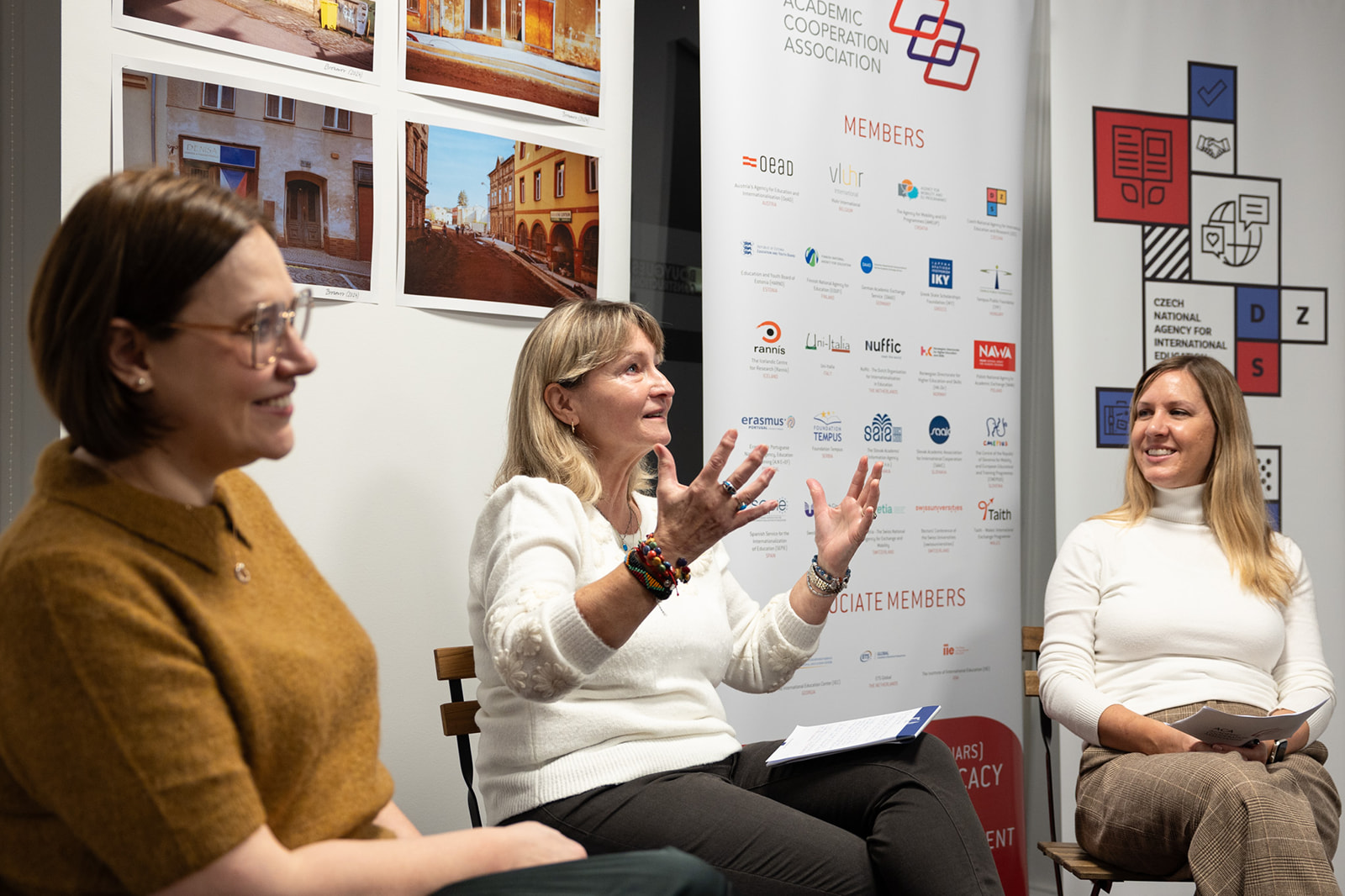
The speakers also addressed the main challenges of working with gifted pupils and students, including the need to work simultaneously with parents and teachers. One possible solution is career guidance tailored to individual needs, combined with efforts to foster understanding between generations, including within families. According to Radomíra Houšková, an environment that strives to understand students is the most important prerequisite for raising children who grow into healthy, self-confident young people. For Andrea Hoffmannová, as a long-serving Deputy Mayor responsible for education, a key challenge lies in the long-term nature of investments in this area, as tangible results often become visible only after a longer period of time. At the same time, it is essential to carefully monitor all positive outcomes to maintain public trust in these policy decisions and support initiatives.
The debate was followed by a discussion with the audience, during which both speakers stressed the importance of maintaining sustained effort and communicating change through positive examples from practice. The discussion also raised the issue of the teacher’s role as a guide: someone who, like everyone else, sometimes makes mistakes and does not always have answers to every question. In this way, children learn from an early age that making mistakes is a natural part of the learning process. After the debate, participants had the opportunity to continue informal discussions over special Christmas refreshments.