The fifth study visit for higher education institutions explored the future of Erasmus+ and other topics
The fifth edition of the study visit welcomed ten participants from Czech universities.
A five-day study visit focused on international cooperation in education took place in Brussels from April 20 to 24, 2026. Participants attended a series of meetings, such as a meeting with MEP Bogdan Zdrojewski (EPP), rapporteur for the European Parliament’s Committee on Culture and Education (CULT) on the proposal for the new Erasmus+ program for the period 2028–2034. Other meetings were also held with a representative of the European Commission (Directorate-General for Education, Youth, Sport, and Culture – DG EAC) and with representatives of associations and organizations active in the field of higher education, such as the Academic Cooperation Association (ACA) and the European University Association (EUA).
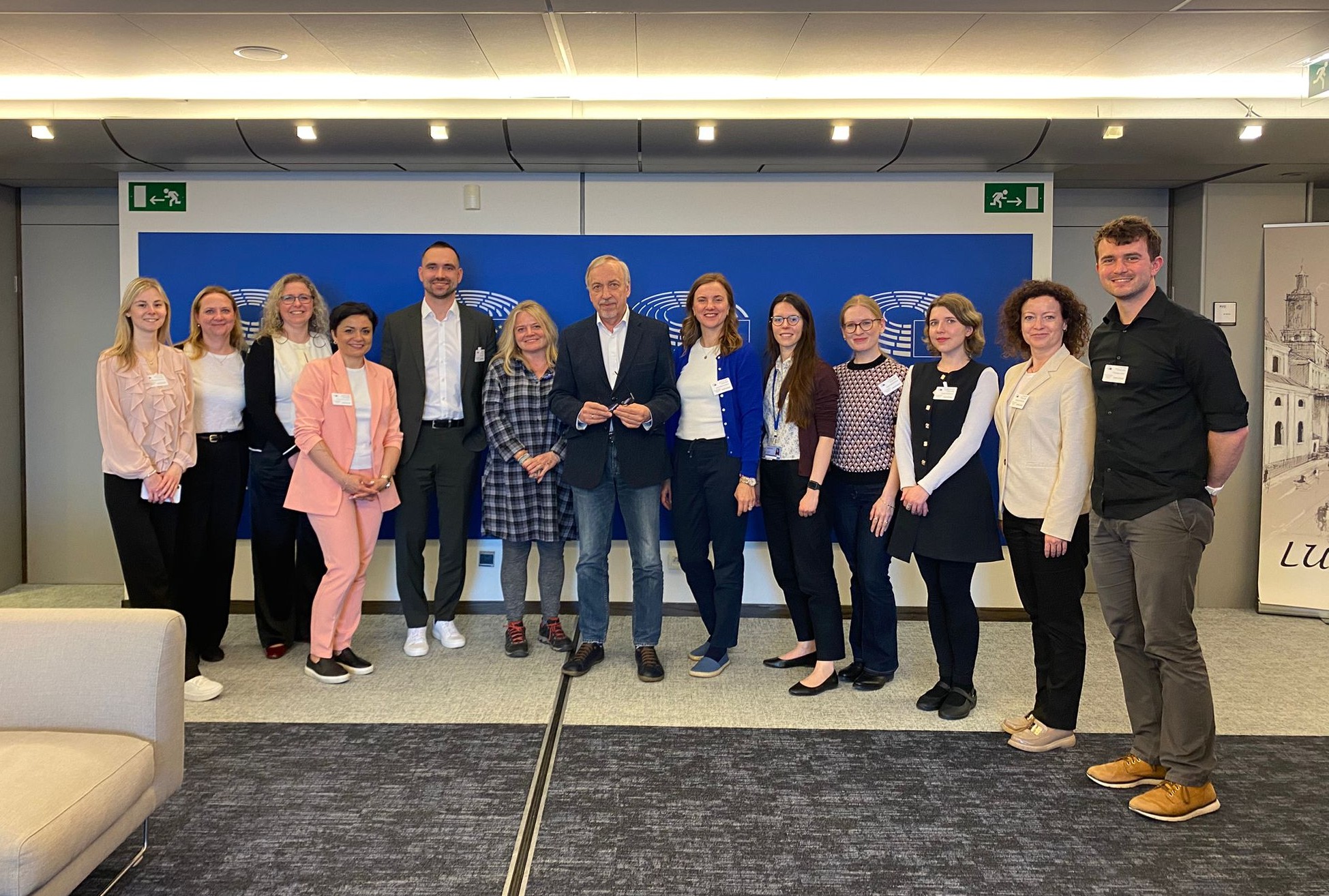
This time, we were visited by representatives from the following institutions:
- Czech University of Life Sciences Prague – Faculty of Engineering
- Czech Technical University in Prague – Faculty of Nuclear Sciences and Physical Engineering
- Masaryk University – Faculty of Sports Studies
- Mendel University in Brno – Faculty of Regional Development and International Studies
- Technical University of Liberec
- Charles University – Faculty of Pharmacy in Hradec Králové
- Tomáš Baťa University in Zlín – Faculty of Management and Economics
- VŠB – Technical University of Ostrava – Faculty of Economics
- University of Chemistry and Technology, Prague
- University of Finance and Administration
As in previous years, the first study visit of 2026 had several main objectives. One of the most important was to familiarize participants with developments regarding the future of the Erasmus+ program in the next programming period, i.e., after 2027. For this reason, a meeting was held with MEP Bogdan Zdrojewski and his team, as well as a meeting with representatives of DG EAC.
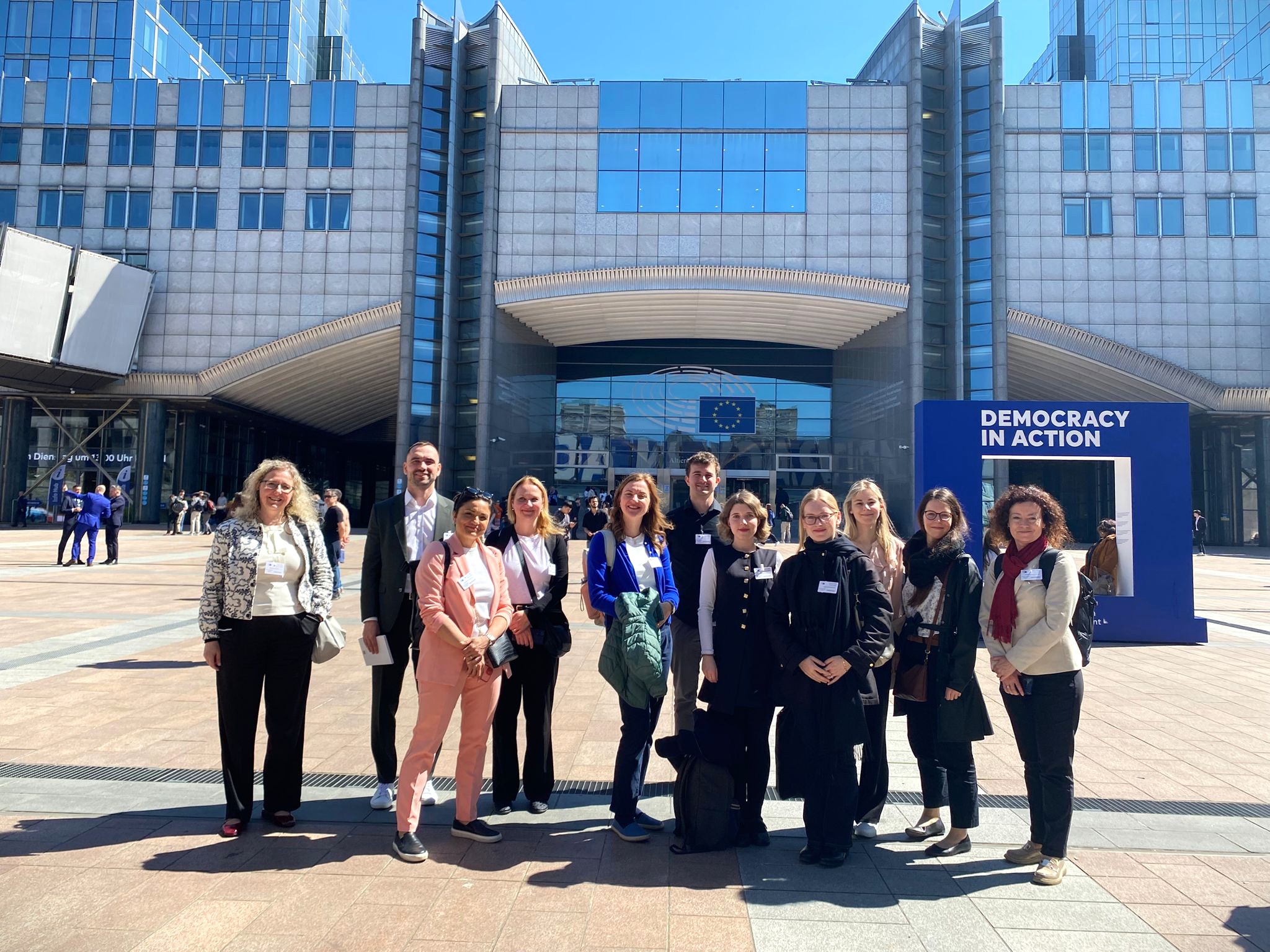
Another objective was to strengthen the participants’ professional competencies and provide them with further information on developments in European higher education policy, such as the Union od Skills or the pilot projects for Erasmus+ scholarships in STEM fields. Equally important, however, was providing an opportunity for participants to ask their own questions about the issues that staff in international and affiliated departments deal with on a daily basis. At the same time, the CZELO office’s research team presented the Horizon Europe program and the Marie Skłodowska-Curie Actions (MSCA).
The program also included meetings with colleagues from other national liaison offices within the IGLO network and visits to Belgian universities (Thomas More University of Applied Sciences, University of Antwerp, and Hasselt University), which provided an opportunity for mutual inspiration and the establishment of new inter-institutional partnerships.
The next edition of the CZELO study visit focused on international education will take place this fall. We will announce the opening of registration at the beginning of summer via our newsletter and social media.