
The fifth roundtable on European university alliances focused on the future of the alliances, their impact, and how to fully realize their potential
The discussion also focused on joint study programs and the Joint European Degree Label, including a new call for proposals to support this initiative.
The now-traditional roundtable discussion involving representatives of the leadership of Czech universities participating in European University Alliances, including those with the so-called Seal of Excellence, took place on November 5 in Prague. It provided an opportunity for participating universities to exchange experiences and best practices, as well as to discuss their needs and engage in dialogue with representatives of the Ministry of Education, Youth, and Sports (MŠMT) and the National Agency for Higher Education (NAÚ). A new development this year regarding alliances is that the Euroleague of Life Sciences (ELLS) alliance, of which Czech University of Life Sciences in Prague is a part, has received funding in this year’s Erasmus+ call for alliances. This brings the number of Czech universities in funded alliances to 14, more than half of all public universities (see our factsheets).
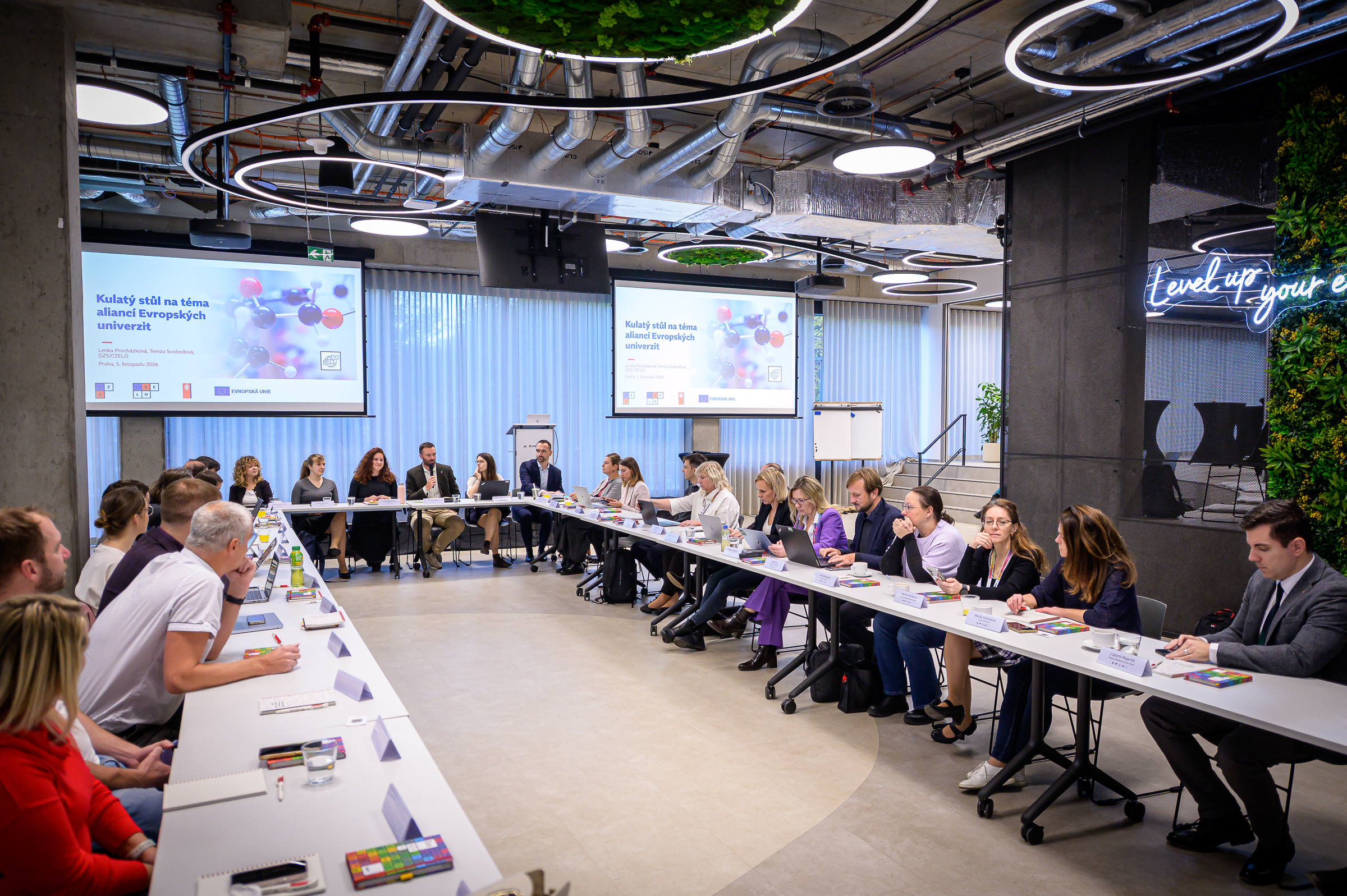
The roundtable was divided into two parts: in the first, participants learned about current developments in EU education policies, particularly the ongoing negotiations on the budget for the multiannual financial framework, including the Erasmus+ program. Negotiations are currently awaiting the EU Council’s decision on the financial envelopes for each program; we expect trilogues (negotiations between the EU Council, the European Parliament, and the European Commission) on the future shape of Erasmus+ to begin early next year. Participants were also briefed on the launch of a new call for two-year funding for alliances. This call is primarily intended for those financed under the 2023 call, but other consortia that have been collaborating long-term, including holders of the “Seal of Excellence”, may also apply. Given the short duration of the follow-up funding, it is crucial to focus the call on the priority areas and activities that the alliance wishes to strengthen. The deadline for submitting applications is March 4, 2027; more information is available on the FTOP portal. The European Commission and the EACEA hosted an online info session on November 17.
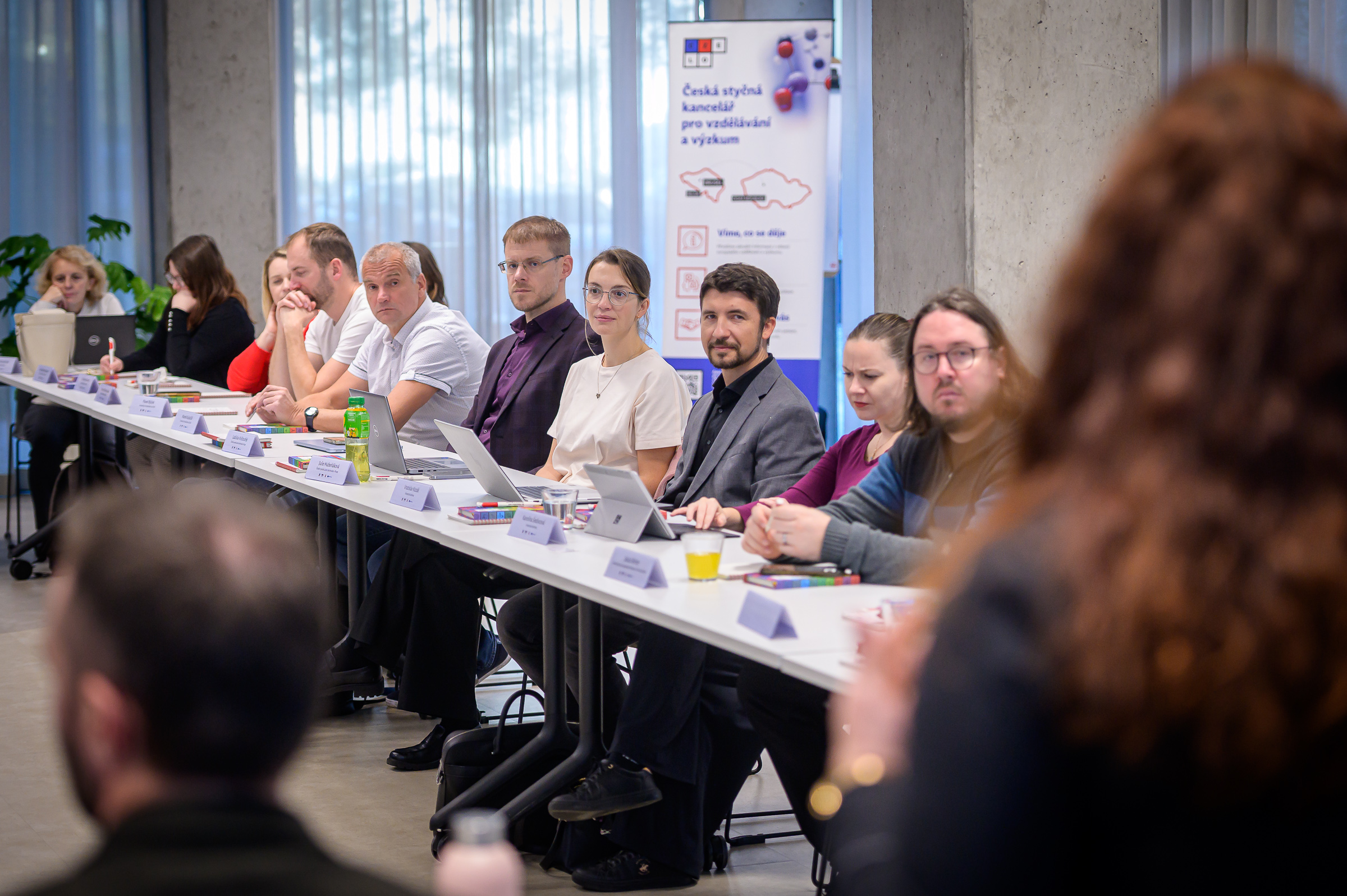
Roundtable participants also learned about the latest developments regarding the Joint European Degree Label (more information in our article) and the new European Degree Exploratory Action call. The call provides at least two years of financial support to consortia (alliances, as well as other collaborating partners) to create new joint study programs that meet the criteria of the European Joint Degree label or to adapt existing joint study programs so that they meet these criteria. You can submit applications until February 18, 2027. For more information, visit the FTOP portal and attend the online info session hosted by the European Commission and EACEA on November 20.
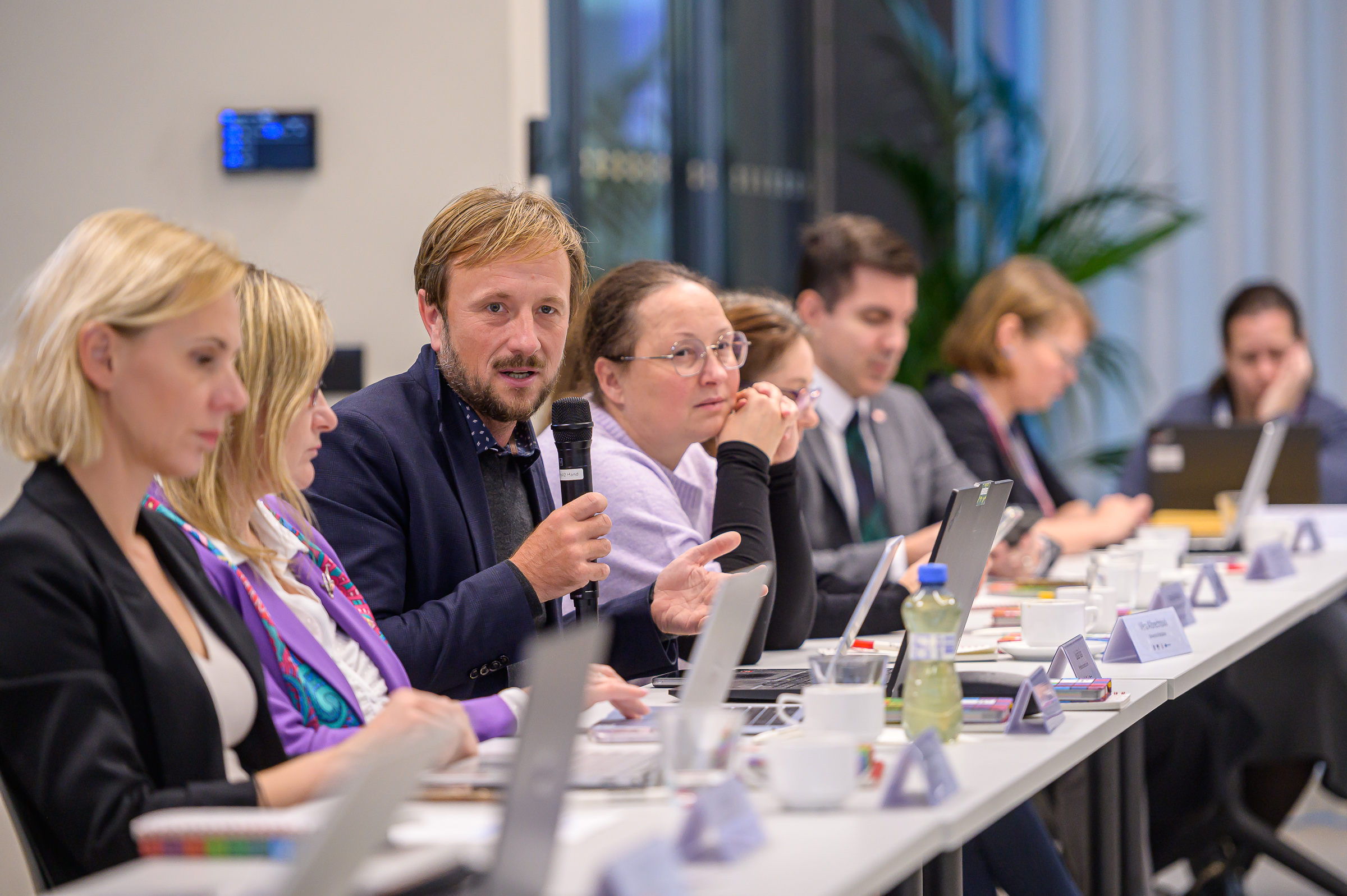
As for the future of the alliances, they are set to remain a key component of Erasmus+, closely linked to the Union of Skills and efforts to attract talent from around the world. At the same time, discussions are underway in Brussels regarding greater financial synergies, including within the Competitiveness Fund, and a longer funding period (e.g., for the entire duration of the multiannual financial framework, i.e., seven years). The Commission is also placing greater emphasis on the impact of alliances; calls for funding are no longer directed toward the establishment of alliances, but rather toward multiplying the impact of their activities and driving systemic transformation. Participants agreed that for alliances to be successful and sustainable, individual partners must set their expectations for the alliance and define priorities and long-term direction together with partners who often have different needs. Another cornerstone of success is raising awareness among participating universities about the benefits and added value of participating in the alliance.
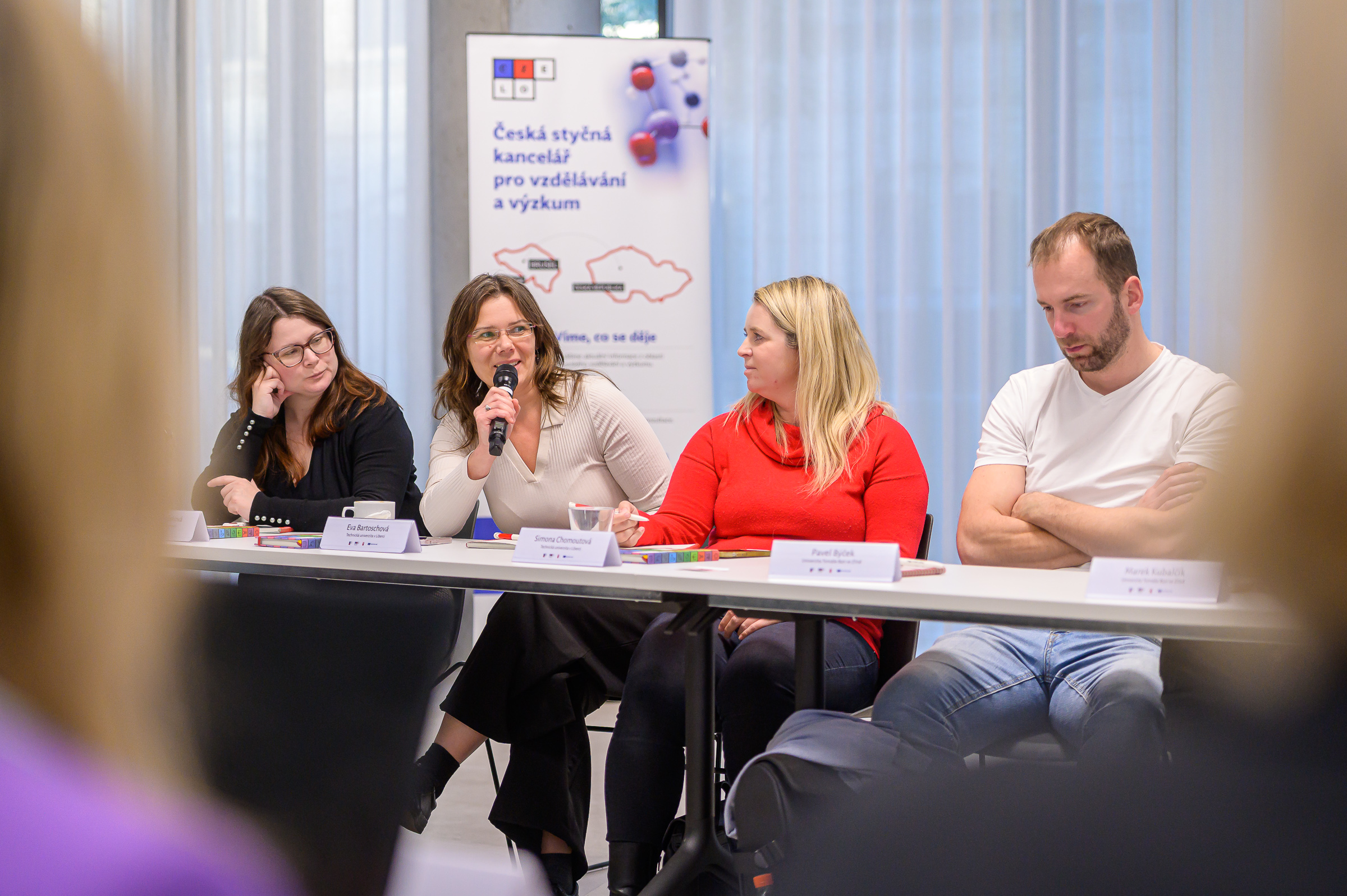
In the second part of the roundtable, participants discussed the practical aspects of implementing, awarding, and recognizing micro-credentials with international partners within the alliance, as well as linking micro-credentials to the labor market. This was followed by a discussion on involving external partners, measuring the impact of alliances, and expanding alliances. We plan to hold another roundtable in the fall of next year.